

- ECNEC Approves 8 Projects Worth Tk 2,266 Crore |
- No Plan to Drop Bangla, History from Honours: Milon |
- Global turmoil shadows Bonn climate talks |
- Dhaka's air quality recorded ‘moderate’ Tuesday morning |
- Court seeks Interpol red notices for 2 fugitives in Tonu killing |
Global Energy Crisis Drives Shift From Oil Dependence
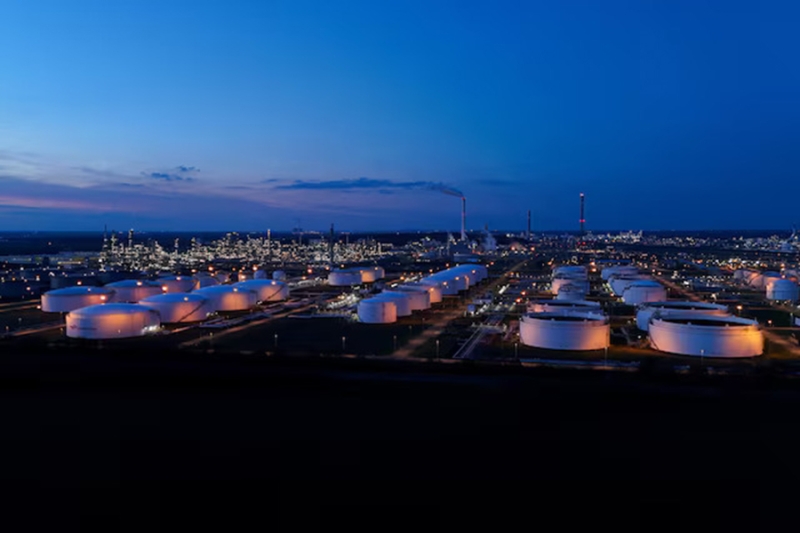
The latest energy shock triggered by the Iran war is forcing governments worldwide to rethink their long-standing dependence on oil and gas imports, as supply disruptions expose deep vulnerabilities in the global energy system.
The crisis escalated after Iran shut down the strategically critical Strait of Hormuz following joint US and Israeli strikes on February 28. The move has effectively blocked a key artery for global energy supplies, through which roughly one-fifth of the world’s oil and liquefied natural gas typically flows. The disruption has sent crude prices soaring past $100 per barrel and sparked urgent policy responses across continents.
This marks the third major energy shock of the decade, following the Covid-19 pandemic and Russia’s invasion of Ukraine. Together, these events have underscored the risks of relying heavily on fossil fuel imports, especially from geopolitically sensitive regions.
In response, major energy-consuming nations are revisiting their strategies. Many are accelerating plans to expand renewable energy, revive nuclear power, build larger emergency reserves, and diversify supply sources. The renewed focus reflects a growing consensus that energy security must be strengthened alongside climate goals.
Europe has already taken notable steps, unveiling new financial guarantees to support nuclear energy projects after years of phasing out atomic power. Leaders now acknowledge that reducing nuclear capacity in past decades may have been a strategic miscalculation, particularly as the region faces rising energy costs and supply uncertainty.
Asia, which depends heavily on Middle Eastern fuel, is among the hardest hit. Countries like Japan and Taiwan are reconsidering nuclear energy as a stable alternative to imported fossil fuels. Japan is pushing to restart reactors idled since the Fukushima disaster, while Taiwan is weighing whether to bring back its last nuclear facility amid supply concerns.
China, the world’s largest energy consumer and a major importer of Iranian oil, is also adapting. Authorities have cut refinery output, restricted fuel exports, and are accelerating investments in renewable energy and strategic reserves. The country’s extensive adoption of electric vehicles and renewable power has helped cushion the immediate impact, highlighting the benefits of diversification.
In the short term, governments have coordinated the release of emergency fuel reserves and urged consumers to conserve energy. At the same time, many countries, including Bangladesh and Pakistan, are seeking to secure supplies from alternative markets and rely more on spot purchases of liquefied natural gas.
The crisis has also reignited debate over the future of fossil fuels. While some policymakers argue for increased production to stabilise prices, others see the disruption as a clear signal to accelerate the transition toward cleaner energy sources.
In Europe, the cost of fossil fuel imports has already surged, putting pressure on electricity prices and household budgets. Policymakers are now considering subsidies, tax relief, and reforms to carbon markets to shield consumers and businesses.
Meanwhile, the United States, as a major energy producer, faces fewer domestic supply risks but remains focused on stabilising global markets. Efforts are underway to boost supply, including easing certain restrictions to allow more oil to flow into the market.
Analysts warn that the current crisis could reshape global energy dynamics for years to come. While a shift toward renewables and nuclear energy may reduce exposure to future shocks, it could also create new dependencies, particularly on countries that dominate clean energy technologies.
As the situation evolves, one point is becoming increasingly clear: the era of taking stable and affordable energy supplies for granted is coming to an end, pushing nations to rethink how they power their economies in an uncertain world.