

- Global turmoil shadows Bonn climate talks |
- Dhaka's air quality recorded ‘moderate’ Tuesday morning |
- Court seeks Interpol red notices for 2 fugitives in Tonu killing |
- Bangladesh wastes 3.5mn tons of food a year: State minister |
- Xi, Kim pledge closer China-North Korea ties |
Eid-ul-Fitr: A Glorious Festival of Joy, Gratitude and Self-Purification
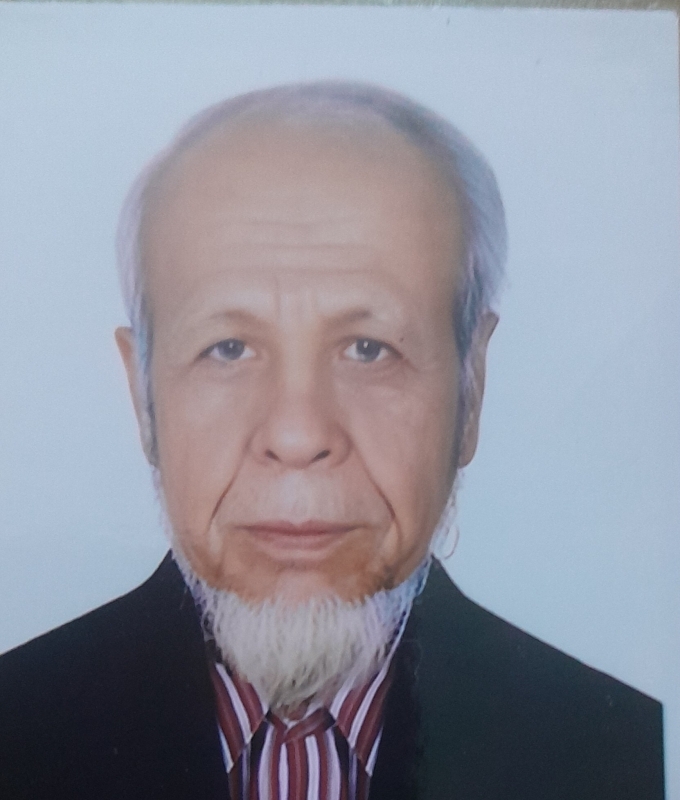
Siddiqur Rahman.
Eid-ul-Fitr, one of the greatest religious festivals of the Muslim Ummah, is celebrated on the first day of Shawwal following the holy month of Ramadan. After a month of fasting, devotion, self-restraint, and spiritual purification, this day arrives with a message of joy, peace, and gratitude. It holds profound significance for Muslims across the world.
In Bangladesh, subject to the sighting of the moon, Eid-ul-Fitr is expected to be celebrated on Friday this year. With the advent of this joyous occasion, people of all ages are preparing with great enthusiasm and anticipation. However, such preparation should not be limited to outward arrangements alone; rather, it should reflect dignity, serenity, discipline, and moral consciousness.
During the month of Ramadan, we observed fasting from dawn to sunset, abstaining not only from food and drink but also striving to refrain from falsehood, injustice, backbiting, jealousy, and all forms of immoral conduct. This month-long exercise teaches us patience, tolerance, self-control, and a deep sense of accountability to Almighty Allah—values that should guide us throughout our lives.
Eid-ul-Fitr is essentially a day of expressing gratitude to Almighty Allah, who has granted us the strength and opportunity to observe fasting and engage in acts of worship during Ramadan. Therefore, the day should be observed not only with joy but also with humility and thankfulness.
One of the key aspects of Eid is the payment of Zakat-ul-Fitr, which ensures that the underprivileged members of society can also partake in the happiness of the occasion. It promotes equality, compassion, and a strong sense of social solidarity.
On the morning of Eid, Muslims gather in mosques or open fields to offer the Eid prayer in congregation. This collective act of worship symbolizes unity, brotherhood, and harmony within the Muslim community. The exchange of greetings, visiting relatives and neighbors, and sharing meals further enhance the spirit of togetherness and joy.
The true message of Eid, however, lies in preserving the values attained during Ramadan. If we can carry forward the discipline, restraint, and consciousness of Allah into our daily lives, it will contribute to building a more peaceful, harmonious, and prosperous society.
Let us, therefore, celebrate Eid-ul-Fitr not merely as a festival of joy, but as a reflection of self-purification, gratitude, and human values.
(Mohd Siddiqur Rahman is a retired Country Manager (Germany) of Biman Bangladesh Airlines.)