

Sunday, December 7, 2025
News update
- Khaleda now not fit for travelling: Medical Board |
- Panchagarh records lowest temperature 10.5°C so far this year |
- Christmas returns to Bethlehem after two years of Gaza war |
- কলাপাড়া মুক্ত দিবসে এবার সাড়া নেই কার |
- One killed, two injured in attack at Ctg meeting over marriage |
Japan Adopts New Tech as Dementia Cases Rapidly Rise
GreenWatch Desk:
Technology
2025-12-07, 12:19pm
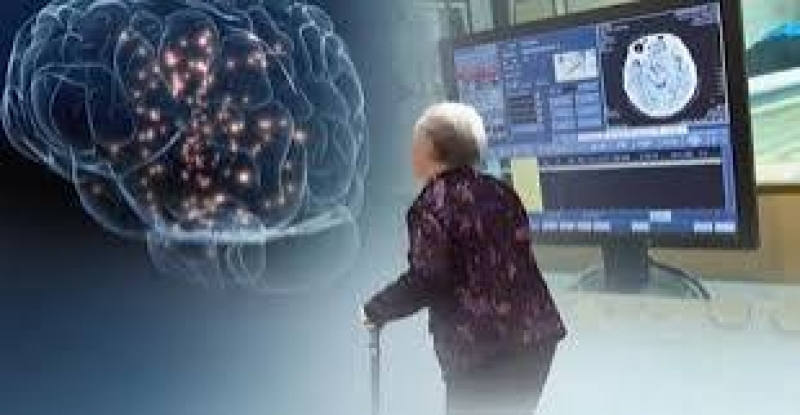
Japan is facing a rapidly intensifying dementia crisis, with thousands of older adults wandering from their homes each year. Police data shows that more than 18,000 people with dementia were reported missing in 2023, and nearly 500 were later found dead. The number of such cases has doubled since 2012, reflecting the deep strain on an ageing society.
A shrinking workforce and tight restrictions on foreign caregivers have made support even harder to sustain. The government now treats dementia as one of its most urgent policy challenges. Health officials estimate that healthcare and social-support spending related to the condition will reach 14 trillion yen by 2030, up from nine trillion yen in 2025.
Technology steps in
To ease pressure on families and care facilities, Japan is increasingly turning to technology. GPS-based tracking systems are used nationwide, and some regions offer wearable tags that alert authorities when a person leaves a designated area. In certain towns, convenience-store staff receive real-time notifications to help locate missing people quickly, forming a community-wide safety net.
New tools also aim to catch dementia in its early stages. Fujitsu’s aiGait uses artificial intelligence to study posture and gait, identifying subtle warning signs such as slow turning or difficulty rising from a chair. The system generates skeletal outlines that clinicians can review during routine checkups. Early detection, developers say, can help older adults stay active for longer.
At Waseda University, researchers are developing AIREC, a 150-kilogram humanoid robot intended as a future caregiver. It can assist with daily tasks such as putting on socks, folding laundry and scrambling eggs. Eventually, developers hope it will help with more delicate work, including preventing bedsores and changing diapers. Many care homes already use simpler robots to lead exercise sessions, play music and monitor nighttime activity.
But fully capable humanoid robots remain a work in progress. Researchers note that these machines need more precise sensing and adaptive intelligence before they can interact with vulnerable adults safely and reliably.
Emotionally supportive devices are also emerging. Poketomo, a small pocket-sized robot, reminds users to take medication, offers weather updates and provides simple conversation to reduce loneliness. Developers say the goal is to apply technology in ways that directly address social challenges.
Human connection still matters
Despite rapid advances, experts stress that technology cannot replace meaningful human interaction. Robots may lighten workloads, but their primary role is to support caregivers—not substitute them.
That balance is visible at the Restaurant of Mistaken Orders in Sengawa, Tokyo, where people living with dementia work as servers. The café was created to help them stay engaged and feel valued. One server, Toshio Morita, uses flowers to remember customer orders. Though his memory has declined, he enjoys meeting visitors, and the role gives his wife a welcome break from caregiving. The restaurant highlights how vital connection and dignity remain, even as technological tools grow more sophisticated.
“Honestly? I wanted a little pocket money. I like meeting all sorts of people,” Morita says. “Everyone’s different—that’s what makes it fun.”