

- Clean your plate – to reduce food loss and waste |
- Global life expectancy ups to near pre-pandemic levels: WHO |
- 9 containers of toxic wastes shifted from Ctg Port for disposal |
- 8 More Die With Measles Symptoms in Bangladesh |
- Hasina wasn't brought to India by its Air Force or Army: Dinesh Trivedi |
Fertiliser Crisis Risks Global Food Supply: Yara Chief
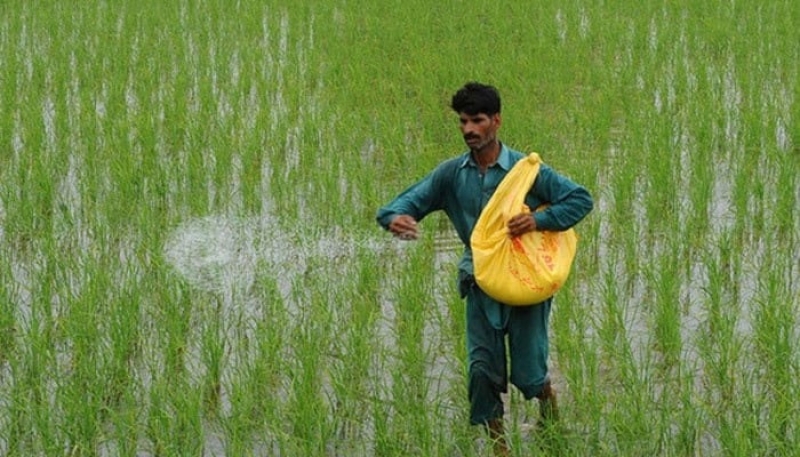
Disruptions to fertiliser supply chains and key raw materials caused by the US-Israel conflict with Iran could threaten global food production, with poorer nations expected to suffer the most, according to the head of one of the world’s largest fertiliser producers.
Svein Tore Holsether, chief executive of Yara, said the ongoing conflict, which has severely affected shipping through the Strait of Hormuz, is now creating risks for food security worldwide.
He warned that reduced access to fertilisers could lower crop yields and trigger a global competition for food, driving up prices and deepening inequality between rich and poor countries.
Holsether said around half a million tonnes of nitrogen fertiliser are currently not being produced due to the crisis, a shortage that could result in up to 10 billion fewer meals each week globally.
He added that nitrogen fertiliser shortages could reduce crop yields by as much as 50% in a single growing season for some crops.
He noted that the impact would be most severe in Asia, Southeast Asia, Africa, and Latin America, where countries are heavily dependent on imported fertilisers and already face food security challenges.
Regions such as sub-Saharan Africa, which already struggle with low fertiliser use, could see even sharper declines in agricultural output if the situation continues.
Experts say the impact on food prices in Asia may become more visible later in the year, as reduced harvests from spring planting seasons begin to affect supply.
Food security analyst Professor Paul Teng warned that while some countries may still have sufficient fertiliser for the current season, prolonged disruption could affect staple crops like rice in the coming months.
Holsether also pointed out that farmers are under increasing financial pressure, as rising costs for fuel, fertiliser, and other inputs are not being matched by higher crop prices.
According to the United Nations, about one-third of global fertiliser trade normally passes through the Strait of Hormuz. Fertiliser prices have already risen by around 80% since the conflict escalated.
He cautioned that continued instability could lead to a global “bidding war” for food, where wealthier nations outcompete poorer ones, worsening hunger in vulnerable regions.
The UN World Food Programme has warned that the combined impact of the crisis could push an additional 45 million people into acute hunger in 2026, with Asia and the Pacific expected to see the sharpest rise in food insecurity.