

- Eid Boom Fuels Economy, But Leather Sector Lags Behind |
- Measles Death Toll Tops 500 as Govt Boosts Response |
- 90pc of 3Mt annual e-wastes not recycled, cause health hazards in BD |
- UNGA backs historic World Court climate crisis ruling |
- Air France, Airbus found guilty of manslaughter over 2009 jet tragedy |
Study Finds Ideal Temperature to Keep Mangoes Fresh
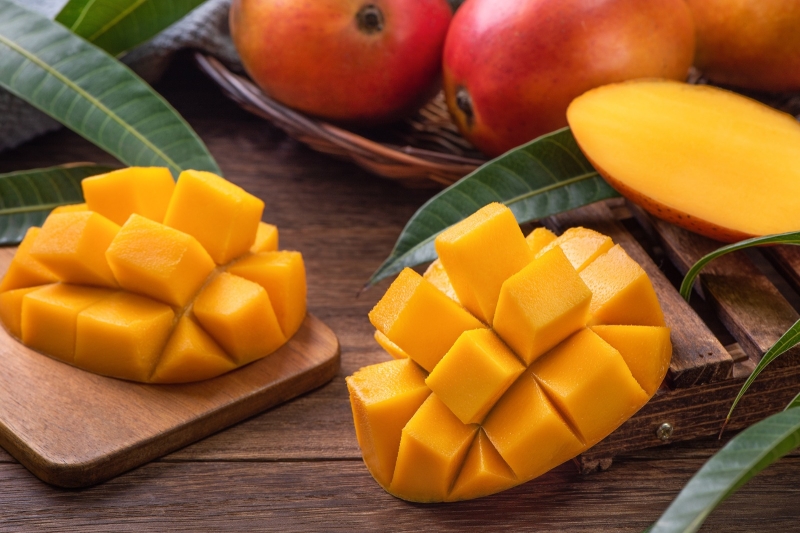
Scientists have identified an optimal storage temperature that could significantly extend the shelf life of mangoes, potentially reducing spoilage and improving transportation systems for one of the world’s most widely consumed tropical fruits.
Researchers found that storing mangoes at 12 degrees Celsius helps slow the ripening process, preserve texture and flavor, and strengthen the fruit’s natural defense mechanisms against deterioration.
The findings, published in the journal Tropical Plants, suggest that carefully controlled storage temperatures could help improve cold-chain management and reduce post-harvest losses in the fruit industry.
Mangoes are valued globally for their taste and nutritional benefits, but they are highly perishable because they continue ripening after harvest. In many tropical regions, the fruit is commonly transported at temperatures ranging from 26°C to 30°C, conditions that researchers say can accelerate moisture loss and shorten freshness.
Although cooler temperatures can slow ripening, mangoes are also vulnerable to chilling injury when stored at excessively low temperatures, making it important to determine a safe and effective balance.
To better understand the effects of storage conditions, researchers at Hainan University compared mangoes stored at 12°C and 30°C over a 24-day period.
The study tracked several indicators, including color changes, firmness, weight loss, sugar levels, acidity, respiration rate, and the accumulation of compounds associated with cellular damage.
Scientists also examined antioxidant components such as vitamin C, flavonoids and phenolic compounds, as well as protective enzymes that help maintain fruit quality.
Results showed that mangoes stored at 12°C remained fresh for a substantially longer period than fruit kept at warmer temperatures.
After 16 days, mangoes stored at higher temperatures had ripened rapidly and turned yellow, while those kept at 12°C retained their green appearance and matured more gradually.
Weight loss was also considerably lower in cooler conditions. Mangoes stored at 30°C lost more than 17% of their weight, compared with less than 4% for fruit stored at 12°C.
Researchers found that cooler storage helped maintain stronger cell walls and internal structures, reducing tissue breakdown and preserving firmness.
Further analysis indicated that lower temperatures also reduced oxidative stress by limiting the accumulation of harmful molecules linked to spoilage.
At the same time, mangoes kept at 12°C maintained higher levels of vitamin C and antioxidant activity, helping strengthen their natural resistance to damage during storage.
Researchers said the findings may offer practical benefits for growers and exporters by allowing mangoes to be transported over longer distances and reach consumers with improved quality and reduced waste.