

- Who gets to shape AI? UN debate centres on power, trust and inclusion |
- PM Tarique Rahman likely to visit Japan later this month |
- PM Tarique Heads to Feni for Daylong Programmes |
- Long-term support for Manta gypsy fishing community urged |
- Customs blocks import of nearly 2000 drones by Chawk Bazar trader |
Dhaka ranks 3rd among world’s most polluted cities
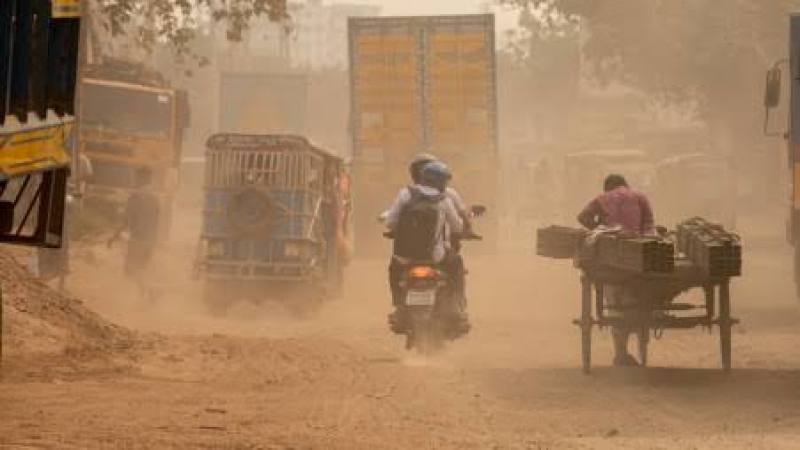
Dhaka ranked 3rd among the world's most polluted cities on Thursday morning, recording an Air Quality Index (AQI) score of 170 at 10:45 am.
The air quality was classified as ‘unhealthy’, meaning the concentration of pollutants in the air had reached a level that could pose health risks to the general population, according to the AQI scale.
Pakistan’s Lahore topped the list with an AQI score of 184.
Jakarta in Indonesia, and Delhi and India, ranked second and fourth, respectively, with AQI scores of 196 and 166.
According to AQI standards, a reading between 101 and 150 is considered 'unhealthy for sensitive groups', while 151 to 200 is classified as 'unhealthy'. A reading between 201 and 300 is considered 'very unhealthy', while levels above 301 are deemed 'hazardous', posing serious health risks.
The AQI provides daily updates on air quality, indicating how clean or polluted the air is and highlighting potential health impacts.
In Bangladesh, the AQI is calculated based on five major pollutants: particulate matter (PM10 and PM2.5), nitrogen dioxide (NO2), carbon monoxide (CO), sulfur dioxide (SO2) and ozone.
Dhaka has long struggled with air pollution, with air quality typically deteriorating during winter and improving during the monsoon season.
The World Health Organization estimates that air pollution causes around seven million deaths globally each year, mainly from stroke, heart disease, chronic obstructive pulmonary disease, lung cancer and acute respiratory infections, reports UNB.