

- Cheap reading glasses remain key conduit to better quality of life |
- ডিপি ওয়ার্ল্ডকে বাংলাদেশে বিনিয়োগের আহ্বান প্রধানমন্ত্রীর |
- Putin offers to help end Iran war in meeting with Pezeshkian |
- Fired OpenAI Researchers Say Dismissals Chilled Safety Efforts |
- Dhaka Fifth Most Polluted City Globally on Friday Morning |
Dhaka Fifth Most Polluted City Globally on Friday Morning
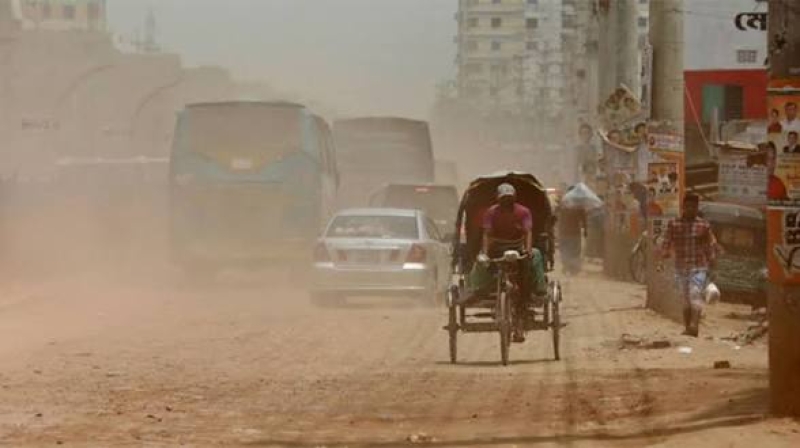
Dhaka ranked fifth among the world’s most polluted cities on Friday morning, recording an Air Quality Index (AQI) score of 172 at 9:15am.
The air quality was classified as “unhealthy”, indicating that pollution levels could pose health risks to the general population.
Singapore topped the list with an AQI score of 217, followed by Kuala Lumpur, Malaysia, at 210 and Lahore, Pakistan, at 186. The fourth-ranked city was not identified in the information available.
According to the AQI scale, readings between 101 and 150 are considered “unhealthy for sensitive groups”, while scores from 151 to 200 fall into the “unhealthy” category. Readings between 201 and 300 are classified as “very unhealthy”, while scores above 300 are considered “hazardous”.
The AQI provides daily assessments of air pollution and indicates its potential effects on public health.
In Bangladesh, the index is calculated using five major pollutants: particulate matter (PM10 and PM2.5), nitrogen dioxide (NO2), carbon monoxide (CO), sulfur dioxide (SO2) and ozone.
Dhaka has long struggled with air pollution. Air quality generally deteriorates during winter and improves during the monsoon season.
The World Health Organization estimates that air pollution causes around seven million deaths worldwide each year, primarily from stroke, heart disease, chronic obstructive pulmonary disease, lung cancer and acute respiratory infections.