

- $7.3 Trillion Fuels Nature Destruction, Guterres Warns |
- Infantino apologizes for World Cup furore but critics unhappy |
- Teesta irrigation project: Water in canals inadequate to enter fields |
- Biodiversity Targets Lag as UN Warns of a War on Nature |
- 18 railway coaches made in India set to arrive this afternoon |
Overdue import bills fall to $88m in 5 months
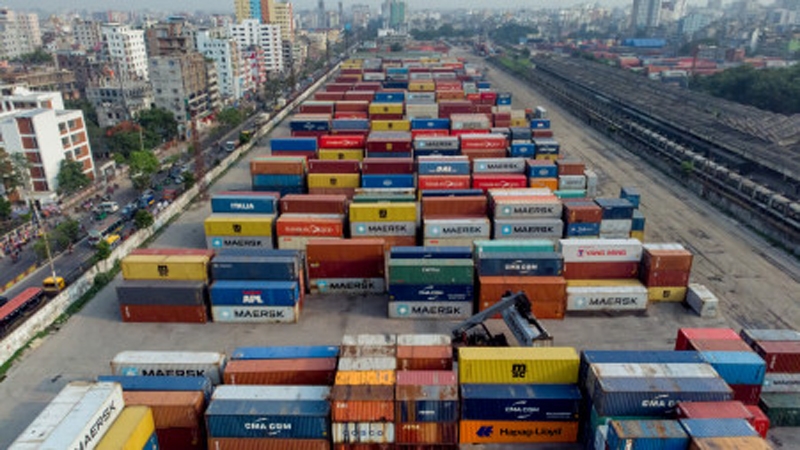
Overdue import bills of several Bangladeshi banks have dropped sharply from $445 million to $88 million over the past five months, thanks to intensified monitoring by the Bangladesh Bank.
A recent central bank report revealed that many banks had long struggled to settle outstanding import payments with foreign banks. However, due to close oversight and regular follow-ups, the situation has improved significantly.
In a circular issued today (April 13), the central bank instructed all banks to closely monitor overdue import bill settlements—both foreign and local. Banks must now submit monthly updates via the Online Import Monitoring System (OIMS).
The circular stressed that delayed payments damage the reputation of Bangladesh’s banking sector and increase the cost of foreign trade. Citing the Guidelines for Foreign Exchange Transactions (GFET) 2018, the central bank warned that failure to settle import bills on time could lead to the cancellation of authorised dealer (AD) branch licences. Individuals involved in repeated delays may also face personal liability.
A senior Bangladesh Bank official explained, "At the end of November last year, outstanding foreign import bills stood at $445 million. We conducted regular monitoring meetings with banks that had high overdue amounts. After each session, clear instructions and deadlines were provided."
The report noted that overdue foreign accepted bills were reduced to $200 million by January 31, 2024, and have since declined further to $88 million.
Progress has also been made in clearing local import bills under bank-to-bank letters of credit, according to the report.