

- COP17: Can the World Deliver on Its Biodiversity Goals? |
- Dhaka Ranks 8th in Global Pollution Index on Sunday |
- Deadly Inani Beach Fire Exposes Gaps in Tourism Safety |
- PM Tarique Rahman Pledges Inclusive Dev in Dialogue with Persons with Disabilities |
- PM Inspects 13 Dhaka Sites, Sets Deadlines for Cleanliness |
COP17: Can the World Deliver on Its Biodiversity Goals?
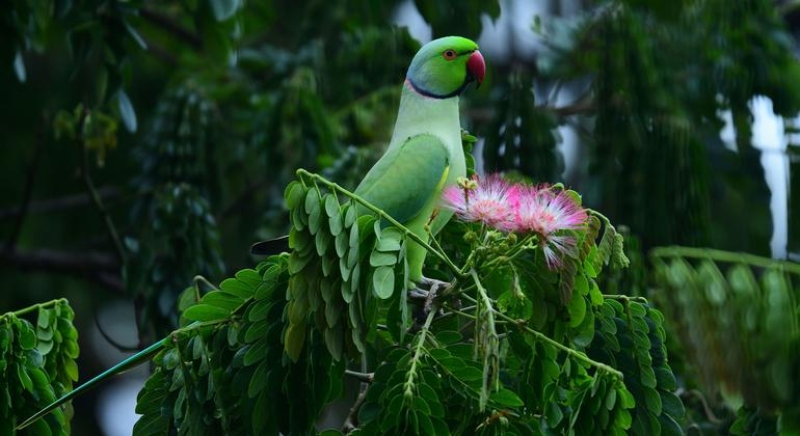
A key target of the Kunming Biodiversity Agreement is to conserve and effectively manage at least 30 per cent of land and water areas by 2030, protecting vital breeding, resting and migration habitats for birds.
The United Nations has called for an end to the “war on nature”, but as governments gather in Yerevan, Armenia, for the COP17 biodiversity conference, a key question remains: are countries doing enough to meet global targets to protect the natural world?
Running from October 19 to 30, the UN Biodiversity Conference comes at a critical midpoint in the global effort to halt and reverse biodiversity loss by 2030. Governments will review progress, identify areas where commitments are falling short and consider how to accelerate action over the next four years.
Here is what to know about the global biodiversity framework and the key issues facing countries at COP17.
What is the global biodiversity framework?
The Kunming-Montreal Global Biodiversity Framework, adopted in 2022, serves as a global blueprint for halting and reversing the destruction of nature.
It sets out 23 targets for 2030 and four longer-term goals for 2050. The framework addresses the main drivers of biodiversity loss, including changes in land and sea use, unsustainable exploitation of species, climate change, pollution and invasive species.
One of its best-known ambitions is the “30 by 30” target: conserving at least 30 per cent of the world's land and sea by 2030, the same year set for achieving the UN Sustainable Development Goals.
The framework also covers biodiversity financing, reform of harmful incentives, more sustainable production and consumption, and the impact of businesses on nature.
Are countries on track?
Progress remains too slow to meet the global ambitions, according to the latest assessment.
Nearly 90 per cent of the 196 parties to the Convention on Biological Diversity have established national biodiversity targets. Close to 60 per cent have developed national biodiversity strategies and action plans, while more than 70 per cent have submitted national reports.
However, fewer than half of the national targets assessed by countries are on track. Commitments also remain insufficient to meet the 30-by-30 goal, while significant gaps persist in financing, capacity, international cooperation and the data needed to measure progress.
“Halfway to 2030, Yerevan is our moment of accountability,” UN Secretary-General António Guterres told leaders ahead of the conference.
What is on the agenda at COP17?
The central challenge is turning global promises into measurable results on the ground.
Key issues include:
Reviewing progress: Countries will conduct the first global review of collective progress under the framework, assessing achievements since 2022 and identifying areas requiring faster action.
Closing implementation gaps: Governments will consider how to translate national targets and strategies into concrete results.
Mobilising finance: The framework calls for at least $200 billion annually from all sources by 2030, including at least $30 billion in international biodiversity finance, according to Armenia's UN ambassador, Paruyr Hovhannisyan.
Advancing the Cali Fund: Governments will discuss practical arrangements for the fund, which aims to support fair and equitable benefit-sharing from the commercial use of digital sequence information on genetic resources.
Improving monitoring: Better data, technical capacity and cooperation are needed to determine whether commitments are delivering results.
Reforming economic incentives: Progress will also depend on decisions involving finance, businesses, sustainable consumption and subsidies or other incentives that harm nature.
Yerevan's test: From review to implementation
Armenia, the host country, wants COP17 to serve as both a “review COP” and an “implementation COP”, moving beyond assessing progress to accelerating action.
“We cannot treat 2030 as a distant deadline,” Hovhannisyan said, stressing that decisions in Yerevan must help close the gap between commitments and results.
Armenia's Environment Minister and incoming COP17 president, Hambardzum Matevosyan, said the previous conferences had established the global framework and advanced implementation mechanisms. COP17 must now clarify what has been achieved, where progress is falling short and what needs to change.
Why biodiversity matters
Biodiversity may sound like an abstract environmental issue, but its loss directly affects human life. Food production, access to clean water and the air people breathe all depend on healthy ecosystems.
The conference will test whether governments can translate an ambitious global agreement into action quickly enough to halt and reverse biodiversity loss by 2030.
“We know where we stand. We know where the gaps are. Now, we must work together to close them,” said Astrid Schomaker, executive secretary of the Convention on Biological Diversity, as she outlined the challenge facing countries.