

- Around 7,500 Bangladeshis imprisoned in Saudi Arabia: Shama Obaed |
- Bangladesh Outperforms India in Global Hunger Index 2026 |
- Covered van hits Gazipur police patrol team, killing SI, BNP leader |
- Korean City scrambles to rescue dusky shark after it returns to canal |
- PM inspects Mongla Port, Sundarbans, proposed economic zone |
Restoring Law, Investor Confidence Key for Bangladesh Growth
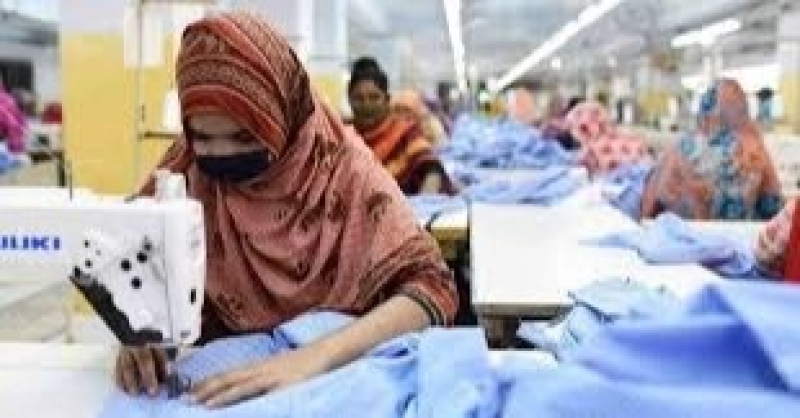
Restoring law and order and rebuilding investor confidence remain the biggest challenges for Bangladesh’s business sector, experts say, as the BNP-led government seeks to revive the economy after a prolonged slowdown.
Business leaders and economists stressed that sustained stability and clear policy direction are essential to attract investment and accelerate economic recovery.
During the 18-month tenure of the interim government following the 2024 mass uprising, the business sector suffered a severe slump. While some political stability has returned after the 13th parliamentary election on February 12, meaningful recovery remains elusive.
Dhaka Chamber of Commerce & Industry (DCCI) President Taskeen Ahmed said curbing extortion must be the government’s top priority. “Factories still pay extortion fees for trucks entering and leaving premises. Stopping this is the biggest challenge. Once addressed, business confidence can return,” he said.
Large-scale investors also cited corruption and bureaucratic bottlenecks as major obstacles. Without institutional reforms, foreign and domestic investors may remain hesitant to make long-term commitments in Bangladesh.
Bangladesh Textile Mills Association (BTMA) President Showkat Aziz Russell described the situation as critical. “No entrepreneur feels confident about long-term investment. The government must first restore that confidence by reducing bureaucratic red tape and inefficiencies within ministries,” he said.
The ready-made garment (RMG) sector, Bangladesh’s export backbone, is under particular strain. Over 400 garment factories reportedly closed during the interim government period, with many struggling to pay wages and festival bonuses. Export earnings fell 2.43 percent in the first half of the fiscal year, while letters of credit dropped 12.9 percent in November 2025, according to BGMEA Acting President Inamul Haq Khan. Rising operational costs and deferred orders have further disrupted production.
A recent report by the International Institute for Strategic Studies (IISS) noted that economic stability hinges on political stability. The BNP government faces pressure to accelerate growth, curb inflation, boost foreign exchange reserves, attract foreign direct investment, and enhance trade connectivity.
The Centre for Policy Dialogue (CPD) emphasized the need for fundamental policy reforms, citing weak macroeconomic stability, fragile private-sector investment, and limited fiscal space. Economists recommend prudent fiscal measures, realistic budgeting, and institutional efficiency to restore business momentum.
Business leaders warn that without decisive reforms in governance and economic management, reviving investment and confidence in Bangladesh will remain a formidable challenge.