

- Exports up over 6% to $13.1bn in Q1 of current fiscal |
- Declaration on Sea Level Rise Draws Mixed Global Response |
- PM inaugurates Tk 1,542 cr Muhuri-Kohua flood control project in Feni |
- Who gets to shape AI? UN debate centres on power, trust and inclusion |
- PM Tarique Rahman likely to visit Japan later this month |
One in Five Children Face Tech-Facilitated Sexual Abuse
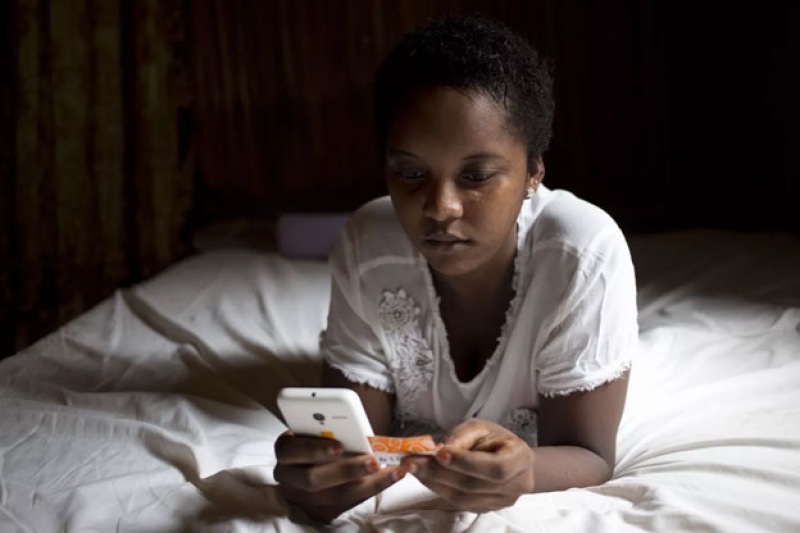
A new UNICEF report reveals that 1 in 5 children surveyed have faced tech-facilitated sexual abuse in a single year. Children in protracted crises have been made more vulnerable, as perpetrators are more likely to weaponize economic vulnerability.
About one in five children surveyed reported experiencing tech-facilitated sexual abuse or exploitation within a single year, according to a new report by the United Nations Children’s Fund (UNICEF).
The report, Through Children’s Eyes: How Digital Technologies Enable Child Sexual Abuse, draws on findings from 21 countries and highlights the growing risks children face in online spaces.
UNICEF said more than 20 million children across the countries studied were exposed to unwanted explicit sexual content or online exploitation, often through digital platforms used for learning, entertainment and communication.
“More than 20 million children across the countries studied were subjected to unwanted explicit sexual content or exploitation online,” UNICEF Executive Director Catherine Russell said, warning that many victims suffer in silence and do not know where to seek help.
The report found that children subjected to technology-facilitated sexual abuse and exploitation face significantly higher risks of adverse mental health outcomes. Victims were roughly four times more likely to report self-harm, suicidal thoughts and behaviours, as well as elevated anxiety.
UNICEF said the risk of suicidal ideation was around eight times higher than the global average among affected children in Mexico and North Macedonia, while the risk of self-harm was about seven times higher in Pakistan.
Social workers and psychologists interviewed for the report also reported cases of post-traumatic stress disorder among victims. Such trauma can affect children's ability to trust others, form relationships and perform at school, while increasing the risk of harmful or risky behaviours.
Around 60 percent of recorded cases occurred on social media, while 14 percent took place in online gaming. About half of social media-facilitated abuse cases occurred on Facebook, with significant numbers also reported on WhatsApp, Instagram, Snapchat and TikTok.
The report found that 57 percent of cases involved perpetrators known to the victims. In nine of the 21 countries surveyed, the perpetrator was another child.
UNICEF warned that the actual scale of technology-facilitated sexual exploitation is likely far greater than reported figures because of widespread underreporting. Fewer than 1 percent of cases were reported to law enforcement or support services, while around four in 10 cases were never disclosed to anyone.
Fear of harassment, social stigma, concerns about not being believed and limited access to psychosocial support and justice services were among the main reasons children did not disclose abuse.
Girls who experience online sexual abuse can face additional stigma and victim-blaming, particularly in communities with rigid gender norms. Boys may also be discouraged from speaking about abuse, while perpetrators can use threats involving the disclosure or false implication of a child's sexual orientation as a form of extortion.
UNICEF said children living in conflict and crisis settings are particularly vulnerable because protection, support and justice systems are often severely strained. Perpetrators may also exploit economic hardship by offering money or gifts in exchange for sexual images or videos.
The report noted that online abuse can also create risks in the physical world. In some cases, perpetrators have coerced or deceived children into meeting them in person, while others have used sexual images to blackmail children into such meetings.
Several countries have introduced or proposed restrictions on children's access to social media in an effort to reduce online harms. However, the measures have faced criticism from technology companies, youth groups and human rights organisations over privacy, free speech and the risk of pushing children toward less-regulated online spaces.
Daniel Kardefelt-Winther, head of UNICEF's research programme on Children and Digital Technologies and lead author of the report, said age restrictions alone would not address the underlying causes of online harm.
“Children are growing up in a digital world that was not designed with their rights, safety and wellbeing in mind,” he said.
UNICEF is calling for stronger safeguards, including safer digital platforms, improved reporting mechanisms and greater access to mental health and support services. It also urged governments, technology companies, families and communities to involve children in developing solutions to keep them safe online. Source: IPS