

- SEC to be restructured with new leadership team: Finance Minister |
- ‘May no other parent lose a child this way’, says Ramisa’s father |
- 5 killed as car crashes into truck on Faridpur expressway |
- Rawhide traders count losses as tanneries duck blame |
- Iran warns of suspending US talks if Israeli attacks on Lebanon continue |
WMO Warns El Niño to Drive Global Extreme Weather
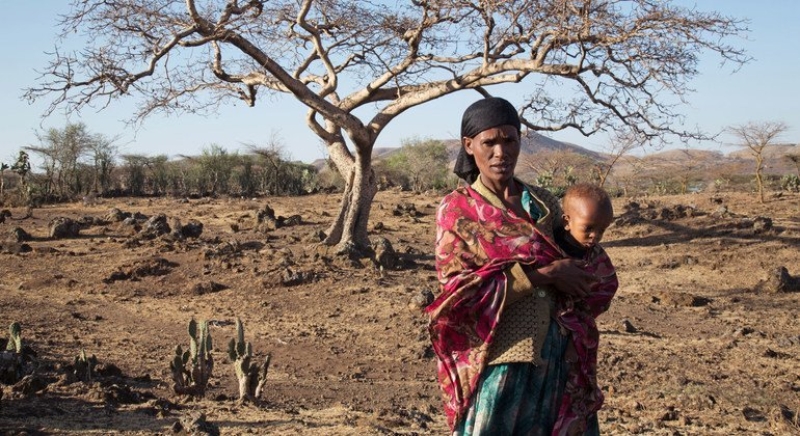
The UN urged all countries on Tuesday to strengthen early warning systems after confirming the onset of El Niño, warning that the Pacific Ocean-warming phenomenon will bring above-average temperatures “almost everywhere” and fuel more extreme weather.
According to the World Meteorological Organization (WMO), there is an 80% chance that El Niño conditions will emerge between June and August, and a 90% chance of this occurring thereafter.
“This update matters because El Niño is a major driver of global weather and climate patterns,” said WMO Secretary-General Celeste Saulo. “Its impact extends far beyond its origins in the Pacific Ocean, affecting agriculture, energy supplies, trade, water resources, supply chains, and livelihoods across entire regions.”
Tropical Pacific Ocean temperatures, running about 6°C above average, are raising concerns that this El Niño could intensify and severely impact vulnerable and unprepared communities worldwide.
The last El Niño event in 2023–24 was one of the five strongest on record and contributed to record global temperatures in 2024, Ms Saulo noted.
According to the WMO, there is no evidence that climate change increases the frequency or intensity of El Niño events. However, it can amplify their impacts, as a warmer ocean and atmosphere provide more energy and moisture for extreme weather such as heatwaves and heavy rainfall.
Preparing for El Niño
“We understand El Niño, and we can prepare much better for it thanks to science and investment by many countries,” the WMO chief told journalists in Geneva. “But alongside El Niño, there are extreme events that require increasing levels of preparedness and investment.”
Together with national weather agencies worldwide, the WMO will continue monitoring conditions in the coming months to support decision-making by governments, humanitarian agencies, and climate-sensitive sectors.
“Advance seasonal forecasts and early warnings are vital to saving lives and reducing the impact on our economies and communities,” Ms Saulo said.
El Niño and La Niña Explained
El Niño and La Niña are opposite phases of the El Niño–Southern Oscillation (ENSO), one of the most powerful naturally occurring climate patterns on Earth.
El Niño is characterised by warming of ocean surface temperatures in the central and eastern equatorial Pacific. It typically occurs every two to seven years and lasts around nine to 12 months.
It generally begins developing between March and June and reaches peak intensity between November and February, with its impacts on global temperatures often most pronounced in the following year.
ENSO events are classified as weak, moderate, strong, or very strong. “Even a moderate El Niño increases the likelihood of extreme weather events,” the WMO said.