

- Climate Crisis May Displace 7.5% of Bangladeshis by 2050 |
- NEIR Rollout Targets Tk 2,000cr Revenue Loss From Illegal Phones |
- Dhaka Ranks 7th Among World’s Most Polluted Cities on Thursday |
- Document: Two Bangladeshis Executed After Detention in 2023 |
- Global Warming May Exceed 1.5°C, but Recovery Is Possible |
Over 162m Children in Africa Vulnerable to El Nino: UNICEF
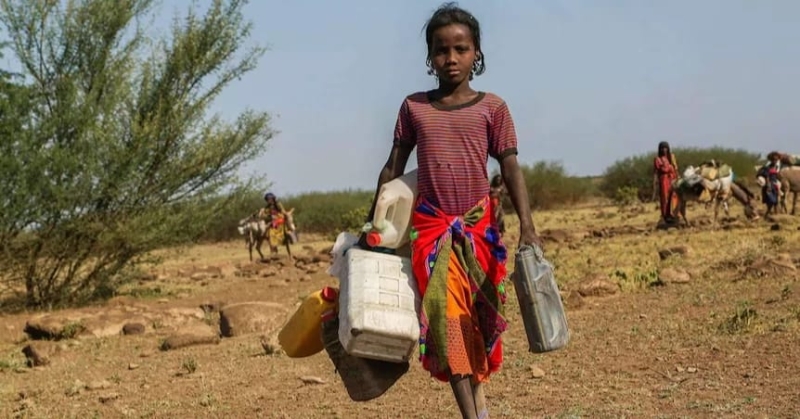
More than 162 million children, representing over two-thirds of all children in eastern and southern Africa, live in areas vulnerable to the intensifying 2026-2027 El Nino phenomenon, the United Nations Children’s Fund (UNICEF) warned on Tuesday.
The agency said intensifying droughts, extreme heat and severe flooding threaten children’s nutrition, health, education, safety and access to safe water and sanitation.
Etleva Kadilli, UNICEF regional director for eastern and southern Africa, said the threat from El Nino was accelerating and that the risks to children were already evident.
“Across the region, children are facing food and water insecurity, overstretched health services and disrupted learning. Further, major climate shocks will likely push children and the systems they rely on to breaking point,” Kadilli said in a statement.
UNICEF assessments point to immediate and compounding risks in Djibouti, Eritrea, Ethiopia, Kenya, Madagascar, Malawi, Mozambique, Somalia, South Sudan, Sudan, Uganda, Zambia and Zimbabwe.
In Somalia, severe flooding could directly affect up to 2.5 million people, increasing displacement and disrupting access to food, healthcare, safe water and education, UNICEF said.
In Ethiopia, tens of thousands of children face heightened risks, particularly in areas already experiencing acute food insecurity and deep vulnerability.
In South Sudan, drought, extreme heat and localised flooding could worsen food insecurity and malnutrition, trigger disease outbreaks and increase the risks of famine and large-scale displacement.
UNICEF said less than 1 percent of international humanitarian assistance is currently allocated to anticipatory action, despite its importance in saving lives, reducing suffering and protecting development gains.
It said early and flexible financing was essential to limit the impact of El Nino before conditions deteriorate further.
UNICEF is calling for urgent investment to expand nutrition services, pre-position life-saving supplies and strengthen early screening and treatment.
It also called for stronger health systems, improved disease surveillance and vaccination campaigns, as well as better access to safe water.
The agency urged authorities to take measures to keep children learning, including by strengthening school infrastructure and establishing alternative learning spaces.