

- Greenhouse Gas Levels Reach Record High in 2025: WMO |
- Dengue deaths hit 400 as 11 more die in 24 hours |
- Bangladesh’s Dengue Death Toll Hits 400 After 11 More Deaths |
- Support to coastal security, early completion of MRT lines, Airport Terminal III, business promotion assured |
- Tarique Seeks Japanese Support for Energy, Tech and Infrastructure |
Greenhouse Gas Levels Reach Record High in 2025: WMO
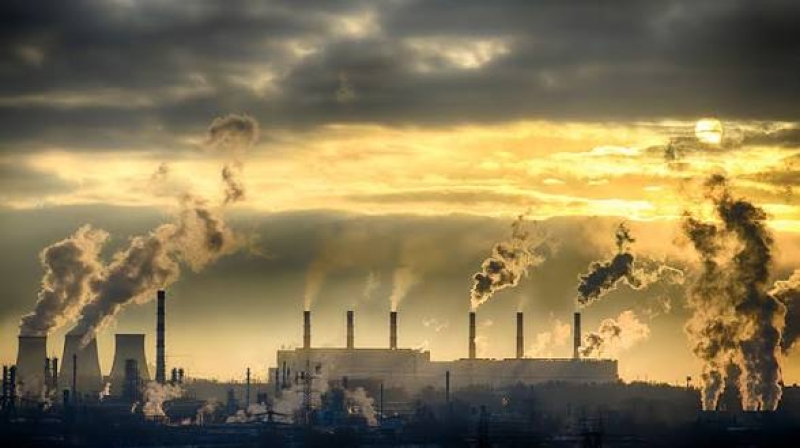
Atmospheric concentrations of carbon dioxide (CO₂) and other major greenhouse gases reached unprecedented levels in 2025, locking in further long-term global warming, according to a bulletin released by the World Meteorological Organization (WMO) on Tuesday.
The global average concentration of CO₂ in the atmosphere was 53% higher in 2025 than the pre-industrial baseline of 1750, the WMO’s Greenhouse Gas Bulletin showed.
Concentrations of methane and nitrous oxide, the second- and third-most important long-lived greenhouse gases associated with human activities, also reached record highs, rising 167% and 26%, respectively, above their pre-industrial levels.
“Another year, another new record,” said WMO Deputy Secretary-General Ko Barrett.
“The past 11 years have been the warmest on record and this trend is set to continue. CO₂ has a very long lifetime and so will affect the global climate not just for years but for decades and even centuries,” Barrett said.
The rate of increase in atmospheric CO₂ has tripled since the 1960s, accelerating from an annual average of 0.8 parts per million (ppm) to 2.4 ppm during the decade from 2011 to 2020.
Between 2024 and 2025, the global average CO₂ concentration increased by 2.8 ppm. The rise was above the decadal average but slightly lower than the exceptional increase recorded between 2023 and 2024, according to the bulletin.
“The more modest growth rate from 2024 to 2025 reflects recovery of the land carbon sinks and reduced fire carbon emissions in 2025 after the strong 2023/2024 El Niño,” said WMO senior scientific officer Oksana Tarasova.
Nevertheless, an annual increase of 2.8 ppm still represents a substantial addition of carbon to the atmosphere from fossil fuel burning, she said.
Tarasova warned that fossil fuel combustion and the development of a strong El Niño in 2026 could affect land carbon sinks, as they did in 2023 and 2024. She also cautioned that the risks of reduced CO₂ absorption by the oceans were increasing as the climate changes.
The Greenhouse Gas Bulletin is one of the WMO’s flagship annual publications. It provides scientific information to support negotiators at the United Nations climate conference.