

- SC Stay Clears Way for Public University Admission Tests |
- Dhaka Ranks 9th Among World's Most Polluted Cities on Monday |
- Top Criminal Sweden Aslam Arrested at Dhaka Airport |
- Guterres Urges Climate Justice After COP31 Talks Collapse |
- RMG Unrest Costs 317 Factories $428m in 18 Days: BGMEA |
El Niño May Raise Landslide, Avalanche Risks in HKH
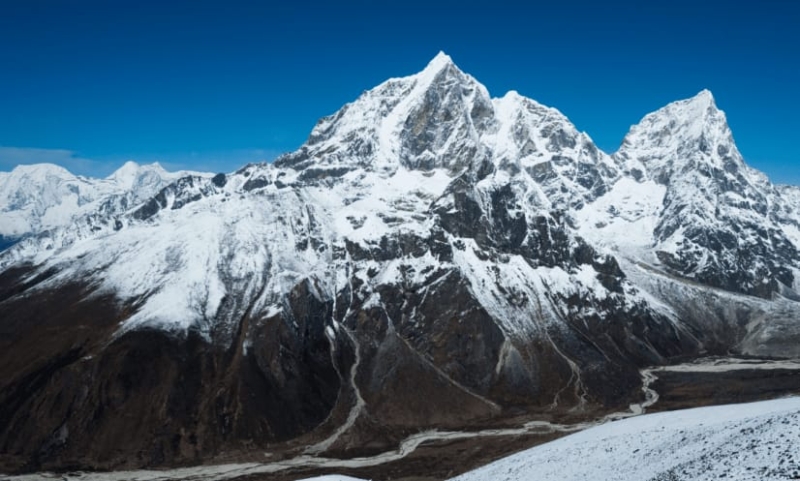
The El Niño weather phenomenon may increase the risk of landslides and avalanches in parts of the Hindu Kush Himalaya (HKH) region this winter, as forecasts indicate above-normal rainfall in several areas.
Nepal, Afghanistan and Bangladesh are also likely to receive more rainfall than usual, potentially increasing the risk of hazardous weather conditions.
The warning was issued in a report titled HKH Winter Outlook 2026, jointly prepared by the International Centre for Integrated Mountain Development (ICIMOD), Beijing Normal University and the Institute of Atmospheric Physics of the Chinese Academy of Sciences.
According to the report, the wider Hindu Kush Himalaya region may experience significant variations in precipitation, with some areas receiving above-normal rainfall while others face drier conditions. Certain areas may also face an increased risk of wildfires.
ICIMOD scientists have warned that heavy rainfall and snowfall in the western Himalaya could destabilise mountain slopes and create dangerous conditions.
The combination of heavy rainfall at lower elevations and substantial snowfall at higher altitudes could increase the likelihood of landslides and avalanches during the winter season.
The Hindu Kush Himalaya region stretches across Afghanistan, Pakistan, India, China, Nepal, Bhutan, Bangladesh and Myanmar.
The warning follows a series of severe weather events in the region. Nepal experienced devastating destruction this year after an overflowing glacial lake triggered powerful floodwaters that swept through affected areas.
On August 26, Nepal was hit by severe flooding along the Bhote Koshi-Trishuli river corridor, reportedly triggered by glacial ice and rock avalanches.