

- Dhaka ranks world's third most polluted city this morning |
- Soldiers Guard Milan as Thousands Protest Across Europe |
- Cheese Industry Thrives In Thakurgaon Villages |
- Guterres alarmed at Israel’s sweeping closures after deadly Hebron attack |
- Bangladesh to Introduce New Law to Curb Extortion, IGP Says |
Climate Change Threatens Global Coffee Supply
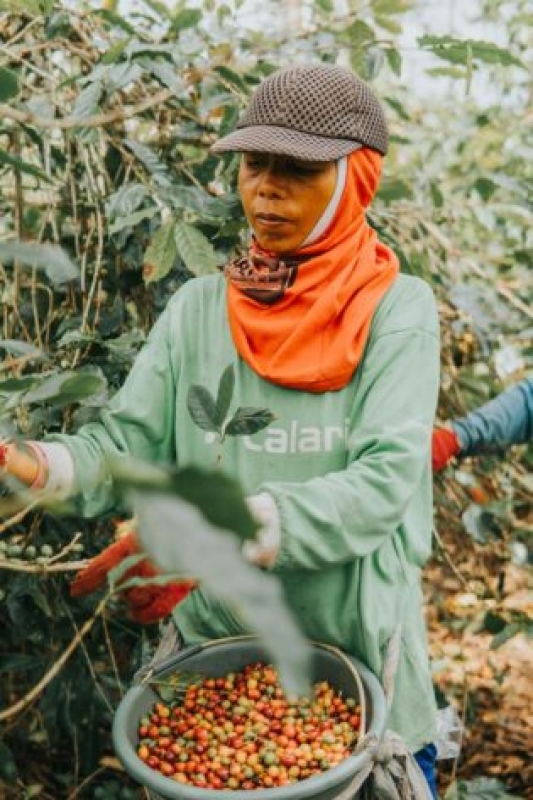
Hotter weather related to climate change is affecting coffee production.
Your morning cup of coffee could soon cost more as climate change intensifies pressure on global production of the world’s most popular beverage.
Rising episodes of extreme heat in major coffee-growing regions are reducing harvests and driving up prices, according to a new study by Climate Central. The report highlights the urgent need for farmers to adapt, as coffee plants are highly sensitive to weather changes.
Brazil, Vietnam, Colombia, Ethiopia and Indonesia, the world’s top five coffee producers, have each experienced an average of 57 additional days of harmful heat per year due to climate change. Together, these countries supply about 75 percent of global coffee.
The analysis compared observed temperatures from 2021 to 2025 with a hypothetical world without carbon pollution, using the Climate Shift Index. It calculated the number of additional days per year that temperatures exceeded the coffee-damaging threshold of 30°C (86°F).
When temperatures rise above this level, coffee plants experience heat stress that reduces yields, affects bean quality and increases vulnerability to disease. The study warns that climate change threatens both supply and quality, potentially leading to higher prices.
Globally, around 2.2 billion cups of coffee are consumed daily. The United States is the largest consumer by volume, while Finland consumes the most per person, averaging four cups a day, according to Statista.
Smallholder farmers are among the hardest hit. They account for roughly 80 percent of global producers and 60 percent of supply, yet received only 0.36 percent of climate adaptation financing in 2021. The average adaptation cost for a one-hectare farm is about $2.19 per day.
All 25 coffee-producing countries examined, representing 97 percent of global output, experienced more heat linked to climate change. On average, each saw 47 additional days per year of harmful temperatures that would not have occurred without fossil fuel emissions.
Shel Winkley, a meteorologist at Climate Central, said global coffee prices have reached record highs in the past five years, with climate change adding more heat stress across key growing regions. Farmers are responding by planting shade trees and adopting other protective measures.
In Ethiopia, farmers are increasingly concerned. Dejene Dadi, General Manager of the Oromia Coffee Farmers Cooperatives Union, said Ethiopian Arabica coffee requires sufficient shade to maintain production. He urged governments to invest in smallholder farmers and scale up adaptation efforts.
The union has distributed more than 19,000 energy-efficient “Mirt” and “Caltu” cookstoves to reduce firewood use and protect forest cover that shelters coffee crops. The initiative has significantly cut emissions and fuel consumption.
A 2022 study projected a sharp decline in land suitable for Arabica coffee by 2050 due to rising temperatures. Meanwhile, the Intergovernmental Panel on Climate Change has warned that the world is on track to exceed the 1.5°C warming limit set under the Paris Agreement.
Coffee farming supports about 12.5 million families worldwide and remains one of the most traded agricultural commodities.
Farmers in Colombia, another leading producer, have faced an average of 70 additional hot days annually due to climate change. Growers there report increasing heat, drought and erratic rainfall, underscoring the need for sustainable practices such as agroforestry to build resilience.
In India, the seventh-largest producer globally, farmers cultivating shade-grown Arabica and Robusta varieties are also experiencing higher temperatures and unpredictable rainfall. Producers say climate change is no longer a future threat but a daily reality requiring constant adaptation to protect soil moisture, shade balance and crop recovery cycles.