

- Bangladesh to Introduce New Law to Curb Extortion, IGP Says |
- UN Marks 81 Years of Global Cooperation and Peace |
- Dhaka's air 5th worst in the world this morning |
- Around 7,500 Bangladeshis imprisoned in Saudi Arabia: Shama Obaed |
- Bangladesh Outperforms India in Global Hunger Index 2026 |
Trump Signals Iran Deal ‘Today’, Warns of Action
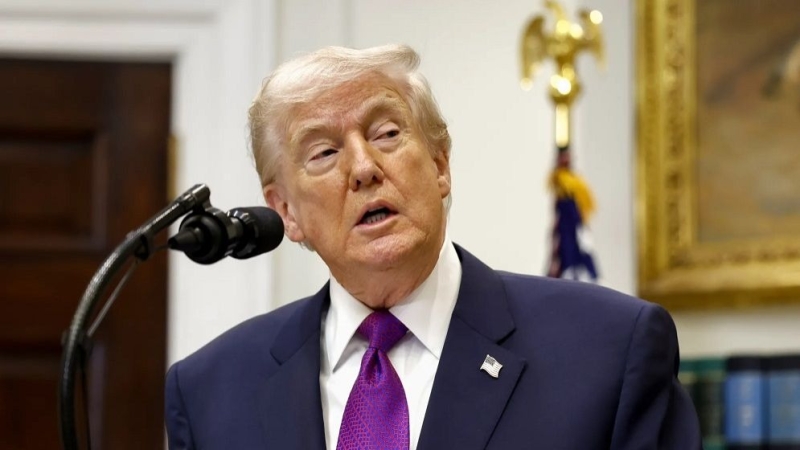
Former US President Donald Trump has said a deal with Iran could be signed “today”, while warning of severe consequences if negotiations fail.
According to US media reports, Trump indicated that failure to reach an agreement could lead to major retaliatory actions against Iran’s infrastructure. However, it remains unclear what timeframe he was referring to when making the “today” remark.
Iran has not confirmed any such development or its participation in fresh talks expected to be held in Islamabad. Still, signals from Tehran suggest a possible shift in position. Sources indicated that Iran is considering joining a second round of negotiations, following mediation efforts involving Pakistan.
Earlier, Iranian officials had rejected the idea of talks and warned of retaliation over US actions, including a naval blockade targeting Iranian ports. More recent comments suggest Tehran is now reviewing its stance, though no final decision has been made.
Uncertainty also surrounds the US delegation. Reports that Vice President JD Vance was travelling to Islamabad were denied by sources, who said he remained in the United States.
The situation remains tense as a two-week ceasefire between the US and Iran approaches its expiry. The truce, announced on April 7, could end soon, with no clear indication of an extension.
Tensions escalated after the US reportedly seized an Iranian cargo vessel accused of breaching the blockade, prompting threats of retaliation from Tehran. Iran has also intermittently imposed restrictions on the Strait of Hormuz, a key global energy route that handles a significant share of the world’s oil and gas shipments.
Oil markets have already reacted, with prices rising amid fears that the ceasefire could collapse. Shipping activity through the Strait of Hormuz has also slowed sharply, reflecting growing uncertainty over the stability of the region.
Diplomatic efforts are ongoing, but differences remain. Iranian officials have criticised Washington’s position as unrealistic, while the US continues to push for negotiations before the ceasefire expires.