

- February polls bring new stability of policy in BD: Japan Envoy |
- Master plans being prepared to ensure planned urbanisation: PM |
- PM Orders Faster Work on Dhaka Inner Circular Road |
Iran warns renewed conflict with US is increasingly likely
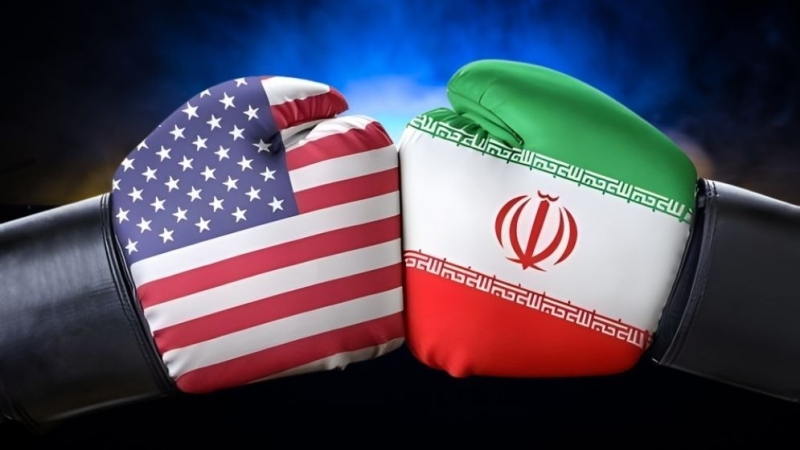
Representational image
A senior Iranian military official has warned that renewed conflict with the United States is increasingly likely, as tensions rise over stalled negotiations and ongoing regional instability.
The remarks came hours after US President Donald Trump said he was dissatisfied with a new proposal submitted by Iran through Pakistan, which is acting as a mediator.
“I’m not satisfied with what they’re offering,” Trump told reporters, citing divisions within Iran’s leadership as a key reason for the lack of progress. He said he preferred a negotiated settlement but did not rule out military action.
On Saturday, Iranian military commander Mohammad Jafar Asadi said recent developments suggest a return to hostilities is possible. “Evidence shows the United States does not remain committed to agreements,” he said.
The conflict, which began in late February involving US and Israeli forces, has been paused since early April following a ceasefire. However, diplomatic efforts have struggled, with only one round of talks held so far.
Iran’s judiciary chief Gholamhossein Mohseni Ejei said the country remains open to negotiations but will not accept imposed conditions.
Reports indicate that US envoy Steve Witkoff has proposed changes to earlier discussions, including restrictions on Iran’s nuclear activities during talks. Washington has not officially confirmed the details.
The uncertainty has affected global markets. Oil prices briefly dropped after news of the proposal but remain significantly higher than pre-conflict levels, partly due to disruptions in the Strait of Hormuz, a critical route for global energy supplies.
Iran has maintained tight control over the strait, limiting the flow of oil and gas, while the United States has imposed countermeasures targeting Iranian ports and exports.
Despite the ceasefire, tensions persist across the region. In Lebanon, Israeli strikes have continued, including recent attacks in the south that left multiple people dead.
Meanwhile, Washington has approved new arms deals with regional allies, including a multi-billion-dollar missile system agreement with Qatar and additional weapons supplies to Israel.
At home, Trump faces political pressure over the handling of the conflict, with lawmakers debating whether proper congressional approval was obtained.
In Iran, the economic impact of the war is becoming more severe. New US sanctions and restrictions on oil exports have pushed inflation above 50 percent, straining households and businesses.
Supreme leader Ayatollah Mojtaba Khamenei has urged business owners to avoid layoffs despite mounting economic challenges.
With negotiations stalled and tensions still high, prospects for a lasting resolution remain uncertain.