

- After the blaze, Kalshi slum dwellers see what little remains |
- Dhaka, 5 other divisions to see heavy rainfall in 24 hours |
- Over 1.6 Million Pilgrims Gather at Sacred Arafat |
- Mayoral candidates' Eid greetings to Kalapara residents on social media |
- Dhaka moves for new $4-4.5 bn IMF programs, drops current one |
Iran Accuses US of Ceasefire Violation After Strikes
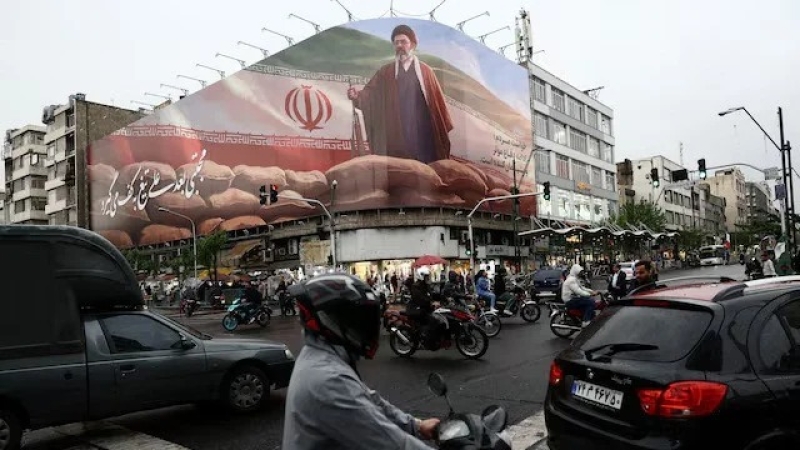
Iran has accused the United States of violating a fragile ceasefire after US forces carried out what Washington described as defensive strikes in southern Iran, further escalating tensions amid ongoing efforts to reach a broader agreement.
Iran’s foreign ministry said the strikes in Hormozgan province, where local media reported explosions early Tuesday, amounted to a “gross violation” of a ceasefire that has been in place for nearly seven weeks.
The US has defended its operations, saying they targeted boats allegedly preparing to lay mines and missile launch sites. US Secretary of State Marco Rubio said negotiations to halt the conflict and reach a lasting deal could take “a few days,” while stressing the strategic importance of keeping the Strait of Hormuz open “one way or the other.”
The latest escalation comes as both sides report cautious progress on a possible memorandum of understanding aimed at halting the war and reopening maritime traffic through the Strait of Hormuz, a critical global energy route.
The conflict, which began with US and Israeli strikes on Iran on 28 February, has triggered a sharp disruption in global oil supply chains, driving up prices of fuel, fertiliser, and food. Iran responded earlier by launching drones and missiles at Gulf states hosting US military bases.
Only a limited number of vessels are currently passing through the Strait of Hormuz, compared to the usual 125 to 140 ships per day. Roughly one-fifth of global oil and liquefied natural gas flows through the waterway.
Oil markets reacted sharply, with Brent crude rising nearly 3 percent to $98.91 following reports of renewed US strikes.
Despite a ceasefire announced in early April, US Central Command said it had continued targeted operations aimed at protecting American forces from threats linked to Iranian military activity.
Iran’s Revolutionary Guards said they reserve the right to respond, claiming they had shot down a US drone and fired at other aircraft they said had entered Iranian airspace over the Gulf region. US officials have not confirmed the claims.
In a statement posted during the annual Hajj pilgrimage, Iran’s Supreme Leader Ayatollah Mojtaba Khamenei warned that “the clock cannot be turned back” and said the region would no longer serve as a shield for US bases.
He also said anti-US and anti-Israel slogans would remain central to what he described as regional resistance movements.
US President Donald Trump, who has previously referenced similar rhetoric, reiterated that talks with Iran were progressing but warned of further military action if negotiations failed, saying any outcome would be “a great deal or no deal at all.”
Trump also urged additional Arab and Muslim countries, including Saudi Arabia, to join the Abraham Accords, a US-brokered initiative aimed at normalising relations with Israel. Saudi Arabia has maintained that any such step depends on progress toward Palestinian statehood.
Meanwhile, Israel signalled it would intensify strikes against Hezbollah positions in Lebanon, further widening regional tensions. The Israeli military also issued evacuation warnings in southern Lebanon ahead of potential airstrikes, despite a ceasefire agreement reached in April that has remained fragile.
Diplomatic efforts continue in parallel. Iranian and US officials have reportedly made progress on a preliminary framework that could lead to broader negotiations, including the release of frozen Iranian funds held abroad and temporary arrangements for shipping through the Strait of Hormuz.
Talks in Doha involving senior Iranian officials and Qatar’s leadership have focused on financial and logistical components of a potential deal, including access to billions of dollars in frozen assets.
Iranian sources suggest that an initial agreement could include a temporary maritime arrangement and phased negotiations on more complex issues, including Iran’s nuclear programme.
Iran continues to deny any intention of developing nuclear weapons, while the US maintains that preventing such development remains a central objective of its policy toward Tehran.
As tensions persist, both sides remain engaged in a fragile balance of limited diplomacy and renewed military pressure, with the region’s stability once again under strain.