

Saturday, October 24, 2026
News update
- Around 7,500 Bangladeshis imprisoned in Saudi Arabia: Shama Obaed |
- Bangladesh Outperforms India in Global Hunger Index 2026 |
- Covered van hits Gazipur police patrol team, killing SI, BNP leader |
- Korean City scrambles to rescue dusky shark after it returns to canal |
- PM inspects Mongla Port, Sundarbans, proposed economic zone |
One Year After Assad’s Fall, Syria’s Future Must Be United
GreenWatch Desk:
Conflicts
2025-12-08, 9:11am
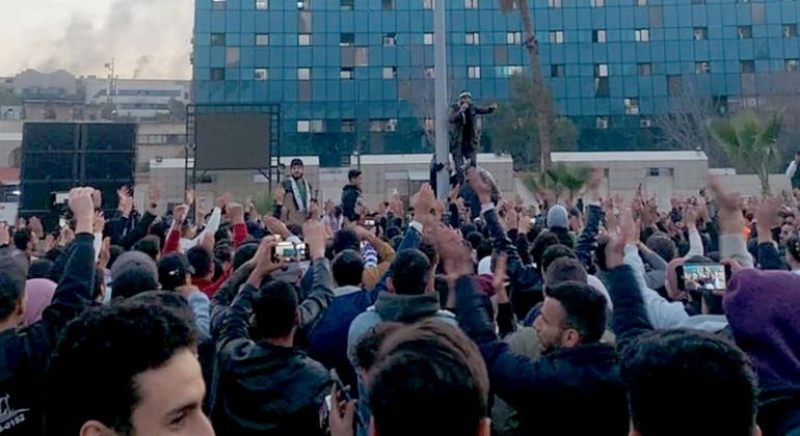
In December 2024, Syrians gather to celebrate freedom in Damascus. (file)
The UN Secretary-General marked the first anniversary of the collapse of Bashar al-Assad’s regime, calling the moment “a day to honor [Syrians’] sacrifices and to renew the aspirations that fueled the historic change in the country.”
In a statement on Sunday, António Guterres paid tribute to the “resilience and courage of the Syrian people, who never stopped nurturing hope despite enduring unimaginable hardship.” He described the past year as proof that “meaningful change is possible when Syrians are empowered and supported in driving their own transition.”
“What lies ahead is far more than a political transition; it is the chance to rebuild shattered communities and heal deep divisions,” the UN chief said. “It is an opportunity to forge a nation where every Syrian – regardless of ethnicity, religion, gender, or political affiliation – can live securely, equally, and with dignity.”
A Year of Fragile Progress
Since Assad fled Damascus in December 2024, the UN has worked closely with Syrian authorities and civil society to stabilize the country and lay the groundwork for inclusive governance. Efforts have focused on restoring essential services, expanding humanitarian access, and creating pathways for refugees and displaced persons to return.
In another sign of progress and hope, the UN refugee agency reports that more than one million refugees have returned since December 2024, alongside some two million people inside Syria who have gone back to their communities of origin.
Transitional justice initiatives have begun to take shape, while Syrian women have emerged as key voices in shaping new institutions and demanding equality.
Humanitarian needs remain immense, but the past year has seen progress in rebuilding local governance structures and broadening civic participation – steps the UN says are vital for an “inclusive and accountable Syria.”
The UN Independent Commission of Inquiry welcomed these steps, noting that access long denied has finally been granted, and engagement on human rights is underway. It praised the creation of national bodies on transitional justice and the missing, while cautioning that Syria’s transition remains fragile amid continuing insecurity and sporadic violence in several governorates.
The Commission, established by the UN Human Rights Council in August 2011 to investigate all alleged violations of international human rights law in Syria since March 2011, underscored the enduring pain of thousands still forcibly disappeared and warned that cycles of reprisal must end for peace to take root.
“Moving beyond the legacies of 14 years of war will take strength, patience, and support,” it said, urging Syrians and the international community to work together so that rights long denied become a reality for all.
Call for Global Support
In his message, Mr. Guterres urged the international community to “stand firmly behind this Syrian-led, Syrian-owned transition,” stressing that success depends on sustained funding for humanitarian appeals, removing barriers to reconstruction, and promoting economic development.
“On this anniversary, we stand united in purpose – to build a foundation of peace and prosperity and renew our pledge to a free, sovereign, united, and inclusive Syria,” he said.