

- PM Proposes Five Urgent Steps to Resolve Rohingya Crisis |
- Govt Appoints Indonesian Firm to Operate Cox’s Bazar SPM |
- ADB lowers Bangladesh’s growth forecast to 4 % in FY2027 |
- El Niño Tests Global Readiness for a Changing Climate |
- Dhaka's air quality recorded moderate on Wednesday morning |
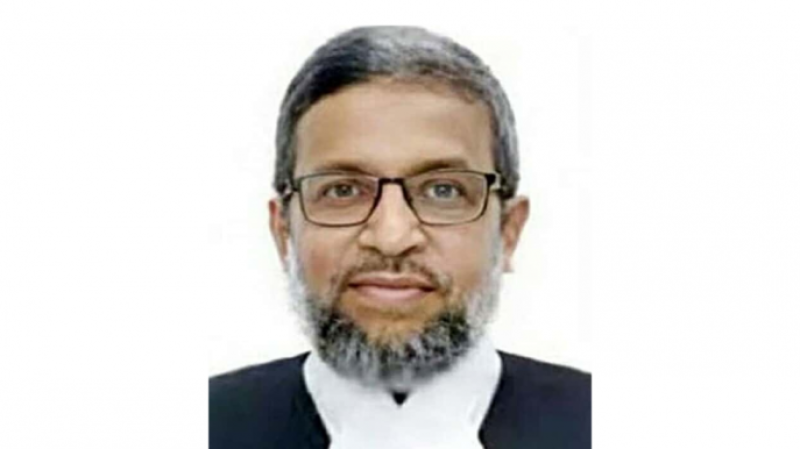
Justice Akhtaruzzaman Resigns Amid HC Probe
File photo
High Court Justice Md Akhtaruzzaman has stepped down from his post after facing allegations of irregularities that led to his suspension from judicial duties. His resignation letter was submitted on Saturday (31 August) to Chief Justice Dr Syed Refaat Ahmed, according to sources in the Supreme Court administration.
Justice Akhtaruzzaman first drew national attention in 2018 when, as a district judge, he delivered the verdict in the Zia Orphanage Trust corruption case on 8 February that convicted BNP Chairperson Khaleda Zia. She was sentenced to five years in prison and served over two years before being released on 25 March 2020 under a government executive order. Since then, her sentence has remained suspended with periodic extensions.
The resignation comes just days after the Supreme Judicial Council, headed by Chief Justice Refaat Ahmed, held its final hearing on allegations brought against Justice Akhtaruzzaman. During the session on 26 August, he appeared before the council to present his explanation.
The controversy surrounding Justice Akhtaruzzaman began in October last year, when 12 High Court justices were simultaneously sent on leave over allegations of corruption and claims of having close association with the previous government. Their judicial responsibilities were suspended, sparking widespread debate in legal and political circles about judicial accountability and independence.
The judges placed on leave alongside Justice Akhtaruzzaman included Naima Haider, Sheikh Hasan Arif, Ashish Ranjan Das, Mohammad Khurshid Alam Sarkar, SM Moniruzzaman, Ataur Rahman Khan, Shahed Nuruddin, Md Aminul Islam, SM Masud Hossain Dolon, Khizir Hayat and Khondker Diliruzzaman.
Following their suspension, the Supreme Judicial Council launched a formal investigation into the allegations. Justice Akhtaruzzaman’s resignation is the first major development in the case, raising questions over whether more resignations or disciplinary actions may follow.
The resignation has once again brought the spotlight on the judiciary, particularly its internal accountability mechanisms. Legal experts say the episode could have long-term implications for judicial credibility in Bangladesh, given Justice Akhtaruzzaman’s high-profile role in a politically sensitive verdict.