

- July Museum to Inspire Fight for Democracy: Speaker |
- Trump Says Mideast Ceasefire Near Collapse |
- Economy in ‘Painful’ Investment Phase, Says Khosru |
- BB launches Tk 1,000cr green fund for rural, local industries |
- Sirajganj farmers gear up for Eid with over 617,000 cattle |
The Visionary Who Helped Bangladesh Cricket Find Its Pulse
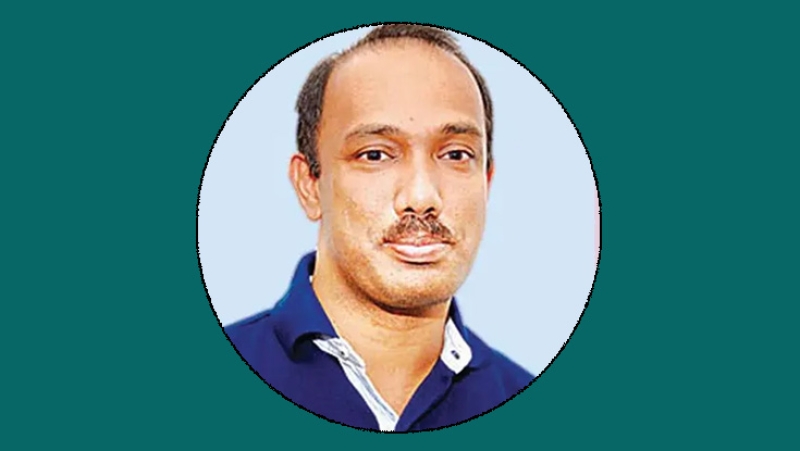
In the early 2000s when Bangladesh cricket was still searching for belief and direction, Arafat Rahman Koko, the youngest son of Ziaur Rahman and Khaleda Zia, worked quietly behind the scenes to build foundations that continue to shape the game today. Away from politics and publicity, his vision helped decentralize cricket, strengthen grassroots development, and restore hope to a struggling sport.
“Arafat Rahman Koko was the main hero in the development of Bangladeshi cricket,” BNP Secretary General Mirza Fakhrul Islam Alamgir once said while speaking at Koko’s death anniversary.
In 2006, Bangladesh stunned cricketing powerhouse Sri Lanka in Bogura — a victory that symbolized the rise of a confident new cricketing nation. After earning international status, the Shaheed Chandu Stadium hosted five One-Day Internationals, four of which Bangladesh won. For players and fans alike, the venue became a symbol of resurgence. Much of the credit for building and upgrading this international-standard ground goes to Koko, whose vision turned Bogura into a proud cricketing hub.
Importantly, instead of naming the stadium after his father, he ensured it honoured freedom fighter Shaheed Chandu — a former Bogura district footballer martyred in the Liberation War. In doing so, he demonstrated that sports should rise above partisan identity and remain a space for national unity.
During his tenure with the Bangladesh Cricket Board from 2002 to 2005, Koko played a transformative role. Though the government had the authority to appoint him president of the board, he chose instead to serve as Chairman of the Development Committee. That decision reflected both restraint and foresight. He focused on grassroots and age-group cricket, laying the structural foundation for long-term growth.
During his lifetime, Arafat Rahman Koko’s non-political role and absence of formal political power were widely discussed among those involved in sports — especially cricket. Yet he himself never sought discussion, praise, or publicity.
Reserved and publicity-shy, Koko played a transformative role in Bangladesh cricket during his tenure at the Bangladesh Cricket Board (BCB) from 2002 to 2005.
“As a Director and Chairman of the Audit Committee of the Bangladesh Cricket Board (BCB), I observed his work ethic firsthand. He moved with remarkable speed and clarity. In 2002, he became a member of the BCB Advisory Council and served for three years. During that time, he chaired the Game Development Committee and introduced structural reforms in age-based cricket,” Former BCB director Qaiyum Chowdhury said.
Unlike many cricket administrators, Koko had personal experience in the game. He played second division cricket for the DOHS Club — a modest pursuit for the son of a Prime Minister. That humility would define his administrative approach.
Though regulations allowed the government to appoint the BCB president, Koko never sought the top post. Instead, he chose to serve as Chairman of the Development Committee — a decision that reflected both restraint and long-term thinking. Under his leadership, age-based cricket structures were strengthened and institutionalised.