

- Two parties join hands to create unrest in country: PM |
- PM Urges People of All Faiths to Build Desired Bangladesh |
- Bangladesh Moves to Tap Vast Potential of Blue Economy |
- Five-Day Holiday Rush: Crowds Swamp Dhaka Bus Terminals |
- Dhaka Ranks Seventh Among 126 Cities on Tuesday |
Bangladesh, Angola Hold First Energy Cooperation Talks
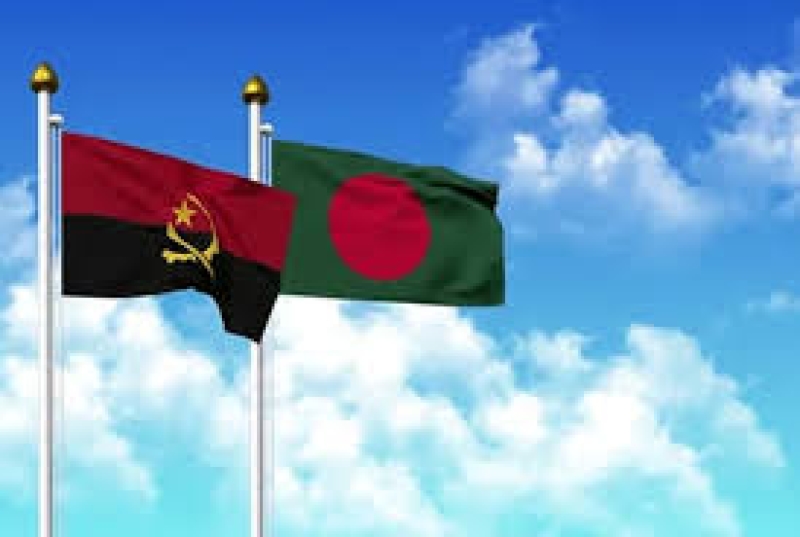
Bangladesh and Angola have held their first-ever high-level bilateral dialogue on energy cooperation through a virtual platform, marking an important step toward building structured energy ties between the two countries.
The meeting, initiated by Bangladesh, brought together senior officials from both governments along with representatives of national energy institutions. Discussions focused on potential cooperation in crude oil and gas supply, investment opportunities, and long-term energy partnership frameworks.
The Bangladesh side was led by the Secretary of the Energy and Mineral Resources Division, with participation from senior officials of the Ministry of Foreign Affairs and the Ministry of Power, Energy and Mineral Resources. Senior executives from Bangladesh Petroleum Corporation and Petrobangla also joined the meeting. Bangladesh’s High Commissioner to Nigeria, who is concurrently accredited to Angola, attended and highlighted ongoing diplomatic efforts to strengthen bilateral engagement in the energy sector.
The Angolan delegation was led by the Minister of State for Oil and Gas, accompanied by senior officials from the country’s public energy sector. Angola’s Ambassador to Nigeria also took part in the discussions.
During the meeting, Bangladesh outlined its rising energy demand and its strategic goal of diversifying crude oil and LNG import sources beyond traditional suppliers. It expressed strong interest in establishing a long-term government-to-government energy cooperation arrangement with Angola. Bangladesh also proposed sending a technical delegation to Luanda for further discussions while inviting an Angolan technical team to visit Dhaka for formal negotiations.
Both sides discussed the possibility of finalising a memorandum of understanding to create an institutional framework for cooperation in the energy sector.
The Angolan side presented an overview of its energy sector, noting a production capacity of around 1.1 million barrels of crude oil per day, along with ongoing expansion in refining capacity through new refinery projects. Angola also highlighted its LNG export potential and continued development of upstream and downstream gas resources, while expressing interest in attracting foreign investment across the energy value chain.
Both countries acknowledged the complementarity of their interests—Bangladesh’s need for stable and diversified energy supplies and Angola’s ambition to expand export markets and investment partnerships. They agreed to continue technical-level engagement to translate the discussions into concrete cooperation outcomes in the near future.