

- Dhaka ranks world's third most polluted city this morning |
- Soldiers Guard Milan as Thousands Protest Across Europe |
- Cheese Industry Thrives In Thakurgaon Villages |
- Guterres alarmed at Israel’s sweeping closures after deadly Hebron attack |
- Bangladesh to Introduce New Law to Curb Extortion, IGP Says |
Bangladesh, India Stress Cooperation Over Confrontation
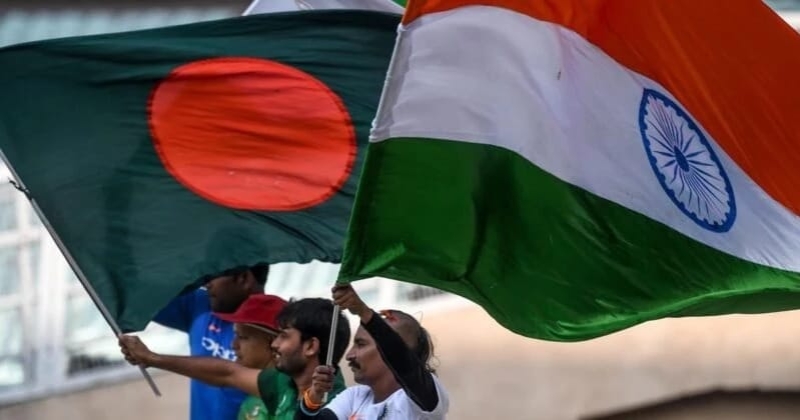
Despite occasional strains, Bangladesh and India continue to place goodwill and good neighbourliness at the heart of their relationship, recognising that cooperation—rather than confrontation—best serves the interests of two neighbours linked by history, geography and culture.
India’s External Affairs Minister Dr S Jaishankar’s recent visit to Bangladesh has been viewed as a reaffirmation of this approach, underscoring a shared commitment to partnership based on mutual respect and sensitivity to each other’s concerns.
Foreign Affairs Adviser Md Touhid Hossain said relations with neighbours remain a top priority in diplomacy, particularly for countries that are not global powers. He noted that Bangladesh’s foreign policy focuses on maintaining constructive ties with both small and large neighbours to safeguard permanent national interests.
Bangladesh and India are closely connected through trade, connectivity, water sharing, security cooperation and people-to-people exchanges. Diplomats say avoiding actions that undermine each other’s interests helps reduce misunderstandings, build confidence and promote regional stability and economic growth.
Speaking at an event in Chennai, Jaishankar highlighted the distinction between “good neighbours” and “bad neighbours,” saying India supports and assists countries that maintain cooperative ties. He cited examples such as vaccine sharing during the pandemic, energy and food support amid global crises, and financial assistance to regional partners.
At the same time, he asserted India’s right to defend itself against neighbours that persist with terrorism, stressing that cooperation brings shared benefits, while hostility erodes trust and opportunity.
Jaishankar also wished Bangladesh well ahead of its upcoming national election, expressing hope that regional goodwill would deepen once political conditions stabilise. He said India’s growth would create more opportunities for neighbouring countries as well.
Economic ties, Bangladeshi officials note, are guided by competitiveness and national interest rather than political rhetoric. Finance Adviser Dr Salehuddin Ahmed recently said trade decisions—such as importing essentials from India—are driven by price and supply considerations, not diplomacy, and that Bangladesh does not use trade as a political tool.
Chief Adviser Prof Muhammad Yunus has also emphasised the depth of Bangladesh–India relations, describing them as historically, politically and economically intertwined, with no alternative to maintaining constructive engagement.
India, for its part, has reiterated support for peace, stability and credible elections in Bangladesh, stating its desire for close and friendly relations rooted in shared history and strengthened through development and people-to-people initiatives.