

- Energy, investment, Rohingya issue to top Bangladesh-Indonesia talks |
- Japan Remains Bangladesh’s Trusted Development Partner: Envoy |
- Dhaka ranks world’s second most polluted city this morning |
Cutting Food Loss Key to South Asia’s Economy
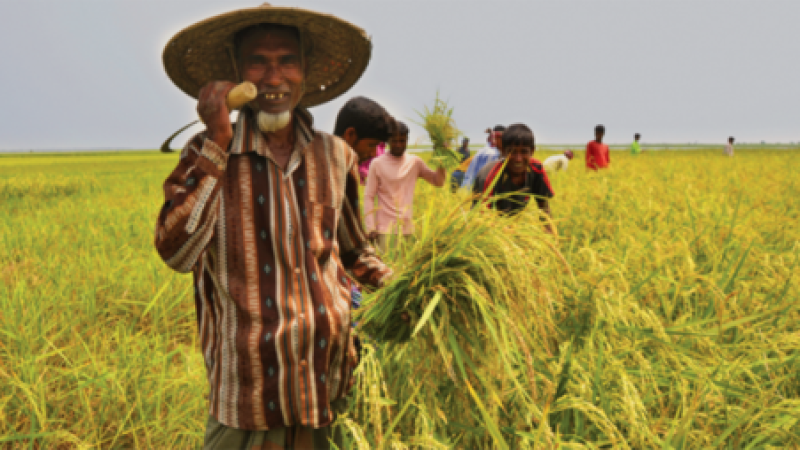
More than 30 percent of food produced in South Asia is lost or wasted each year, enough to feed nearly 300 million people, according to a new World Bank report that highlights food loss prevention as a key driver of the region’s future economic growth.
The report says transforming food systems beyond agricultural production — from farms to markets — could generate millions of jobs, reduce waste, improve nutrition, attract investment and strengthen exports across the region.
South Asia’s agriculture sector, valued at more than $700 billion annually, holds vast untapped potential to drive employment, investment and poverty reduction through reforms in food processing, storage, logistics and marketing, the report said.
The findings were presented at a high-level regional policy dialogue in Ahmedabad under the South Asian Policy Leadership for Improved Nutrition and Growth (SAPLING) initiative led by the World Bank.
Although agriculture employs nearly 43 percent of South Asia’s workforce, it contributes only around 16 percent of regional GDP, reflecting low productivity and limited value addition, according to the report.
Experts at the dialogue said the next phase of agricultural transformation must move beyond increasing crop output and focus on strengthening food processing, cold storage, warehousing, transport networks and supply chains.
They noted that expanding these sectors could create millions of productive jobs, increase farmers’ incomes and reduce food losses across the region.
The report also identified strong growth opportunities driven by rapid urbanisation, a growing middle class, rich agro-biodiversity and increasing demand for safe, high-quality processed food.
To accelerate progress, the World Bank is promoting a combined strategy through AgriConnect and SAPLING.
AgriConnect aims to connect 300 million farmers to markets by 2030 through investments in infrastructure, policy reforms and private-sector financing. The initiative is already supporting projects in countries including Bangladesh, India and Sri Lanka.
SAPLING, meanwhile, serves as a regional platform to bring together governments, investors, development partners and innovators to promote policy reforms and expand investment in food systems.
Participants at the two-day regional dialogue stressed the need for stronger collaboration among governments, businesses and financial institutions to develop resilient and sustainable food systems.
The report urged policymakers to expand food processing zones, improve logistics infrastructure, simplify food safety standards, strengthen public-private partnerships and create a more investment-friendly environment for agri-businesses.
Investors were also encouraged to support cold-chain facilities, agro-industrial parks, warehousing, logistics hubs and emerging agricultural enterprises to unlock the region’s food economy potential.