

- Democrats Take Congress: Five Possible Shifts in Trump’s Foreign Policy |
- COP31: Can Nations Turn Climate Promises Into Action? |
- UN Warns Climate Adaptation Funding Falls Far Short |
- Bangladesh on The Verge of a Solar Energy Revolution |
- Bangladesh Bank Injects $100 Million Into Forex Market |
Developing Economies Bear the Brunt of Global Fuel Shock
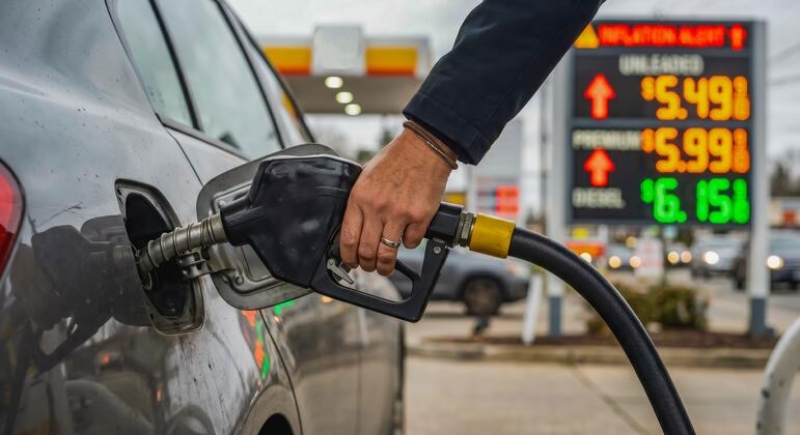
The Middle East conflict has disrupted energy supplies and has sent oil prices soaring.
When the war led to the closure of the Strait of Hormuz in February, oil prices surged worldwide. But the impact has been far from equal, with developing economies bearing the heaviest burden, according to a report by the UN trade and development agency UNCTAD.
Diesel prices in Nigeria rose by about 83 per cent between late February and the end of August, compared with a nine per cent increase in Ireland. Gasoline prices climbed by around 51 per cent in Myanmar, while the increase was just three per cent in Sweden.
The differences are partly driven by domestic conditions, including taxes, subsidies, fuel pricing policies and exchange rates, all of which influence the prices consumers pay.
Prices Driven by Conflict
The price of Brent crude, the global oil benchmark, increased from around $70 a barrel in January to more than $120 in March. The surge followed the closure of a route that normally carries about one-fifth of the world's oil supplies.
Prices eased between April and June as diplomatic talks progressed, but climbed again after negotiations collapsed and fighting resumed.
Futures markets indicate that oil prices could remain high until the end of the year, keeping fuel and transportation costs elevated for businesses and households.
Rising Costs Across the Economy
Higher fuel prices also push up the overall cost of living, including for people who do not buy fuel directly.
For example, rising diesel prices make transporting goods more expensive, increasing the cost of products for consumers.
Earlier research on developing economies found that a 25-cent increase in fuel prices per litre could reduce household purchasing power by more than five per cent on average.
Fuel Importers Under Pressure
Countries heavily dependent on imported fuel are particularly vulnerable to rising oil prices, as they must spend more to meet their energy needs, UNCTAD said.
In some countries, fuel imports already account for a substantial share of economic output. In 2023, net fuel imports — the value of fuel imports minus earnings from fuel exports — amounted to a quarter of Cabo Verde's GDP and nearly one-fifth of Lebanon's.
Higher fuel bills leave governments with less money to spend on other imports, including food, medicines and equipment. Countries already facing budget pressures therefore have less room to protect households from rising costs, UNCTAD noted.
Renewable Energy as a Long-Term Solution
The report called for more diversified energy supplies and greater investment in affordable renewable energy to reduce countries' exposure to future price shocks.
Renewable sources such as wind and solar power are less vulnerable to geopolitical disruptions and do not face the depletion risks associated with fossil fuels.
UNCTAD also noted that renewable energy is cheaper than the least expensive new fossil fuel alternatives in more than 90 per cent of cases.
Source: UN News