

- Capital markets surge at DSE with year’s highest turnover |
- Weapons and drugs seized in Chattogram army operation, 2 arrested |
- Tarique says people won’t allow ‘vote robbery’ on Feb 12 |
- Dhaka records world’s worst air quality Wednesday morning |
- US Ambassador visits Ctg Port to reinforce commercial coop |
BB Keeps Tight Monetary Policy Despite Calls for Rate Cut
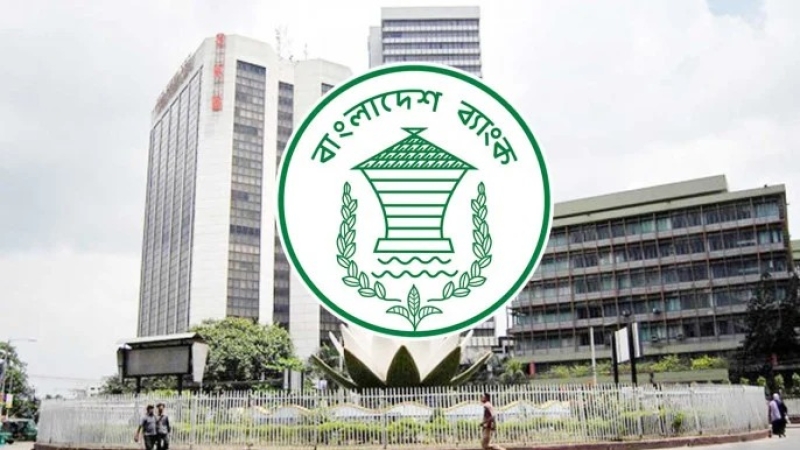
File photo of Bangladesh Bank
Bangladesh Bank has decided to keep its policy repo rate unchanged at 10 percent for the second half of the current fiscal year 2026–27, maintaining a tight monetary stance to rein in inflation despite growing demands from businesses for lower lending rates.
The central bank’s board approved the Monetary Policy Statement (MPS) for January–June on Tuesday, with a formal announcement due on Wednesday, officials said.
The repo rate—the rate at which Bangladesh Bank lends to commercial banks—will remain unchanged as inflation has yet to fall to the targeted 6.5 percent set for FY26. Although inflation eased to slightly above 8 percent in December, it remains well above the central bank’s comfort level.
In the previous MPS, the central bank committed to maintaining a restrictive policy until inflation drops below 7 percent.
The private sector credit growth target has been kept unchanged at 8 percent, compared with actual growth of 6.2 percent. Public sector credit growth, however, is expected to rise to 19 percent from the earlier ceiling of 18 percent.
Despite the prolonged tight policy, both lending and deposit rates have edged up slightly amid subdued private sector demand following the political transition in August 2024. Over the past six months, average lending rates hovered around 12 percent, while deposit rates stayed above 6 percent.
Governor Ahsan H Mansur acknowledged business concerns over high interest rates but said inflation conditions do not yet allow a policy shift. He said inflation has fallen from 12.5 percent to around 8.5 percent, but the central bank aims to bring it down to 3–4 percent within two years before easing rates.
He added that managing inflation expectations and domestic price pressures would take time, although exchange rate pressures have been largely stabilised.
On the foreign exchange front, Bangladesh Bank moved towards a more flexible exchange rate regime in May 2025. Since August 2024, the central bank has purchased $3.7 billion from the market without selling any dollars, reversing earlier trends.
The governor said the current account is now broadly balanced, while the financial account has recorded a surplus, helping boost reserves. Foreign exchange reserves stood at over $28 billion as of January 22 under IMF methodology, up from $26.7 billion in June, with the exchange rate remaining stable at Tk122–123 per US dollar.
He also noted a reversal in capital outflows, saying foreign investors who had earlier withdrawn funds are now returning with fresh investments.