

- Covered van hits Gazipur police patrol team, killing SI, BNP leader |
- Korean City scrambles to rescue dusky shark after it returns to canal |
- PM inspects Mongla Port, Sundarbans, proposed economic zone |
- Early winter cucumber brings hope of bumper harvest in Sirajganj |
- Saudi coalition intercepts Houthi missile after blasts in Riyadh |
A New Presidency And The Need for Unity
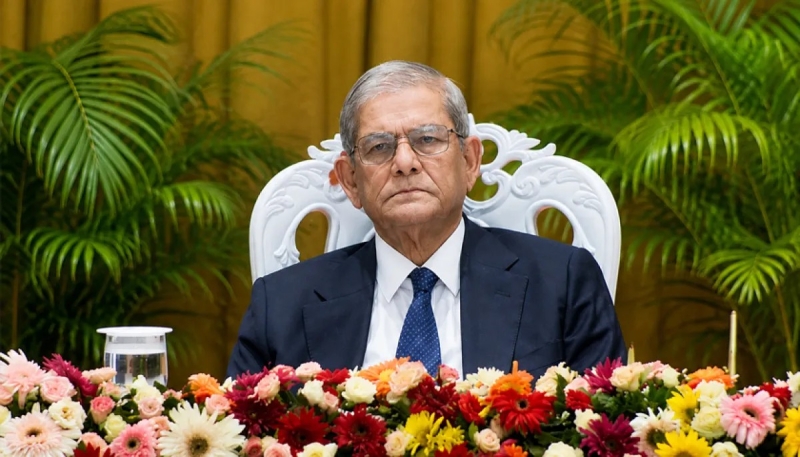
President Mirza Fakhrul Islam Alamgir
Mirza Fakhrul Islam Alamgir has taken charge as the President of Bangladesh. The BNP Parliamentary Party and MPs of the party’s allies voted to elect him to the elevated constitutional position of prestige and honour as the head of the state. Congratulations!
The election completed the logical sequence of the change of power that came through the landslide victory of the BNP in the February 12 Parliamentary elections. President Mohammed Shahabuddin who had been elected by the last Awami League-led Parliament resigned on 24 July on health grounds, a familiar reason cited on such occasions.
The elevation of Mirza Fakhrul Islam Alamgir coincided with the fulfillment of six months in office of the government led by Prime Minister Tarique Rahman that has demonstrated some popular initiatives like stopping the provision of tax-free luxurious cars that had been in force since the time of the Ershad regime; strengthening of the social safety net programme through the introduction of Family Cards and Farmer Cards; the launching of Canal Digging Programme that is designed to cover 20,000 kilometres, and the Tree Plantation Programme that targets planting of 25 crore trees in five years.
The government has drawn particular attention of the people by announcing its plans to implement a master plan on the Teesta and construct a barrage on the Bangladesh part of the Ganges to resolve the water and environmental problems of the people of northern and southwestern districts.
The diplomatic exchange of messages and verbal responses to overtures make responsible quarters feel that the government wants to restore the honour and dignity in bilateral relations that were sacrificed in nearly 16 years by the last AL government only for the sake of support to remain in power indefinitely.
Yet looking at the ground realities of the pleasure and pain of the people one should make mention of the severe stress in the area of gas and power supplies that have not only caused sufferings to the people in these days of humid heat accelerated by the el-nino weather phenomenon in the South Pacific. Production in mills and factories are being hampered while prices of essentials continue to rise. Like the past BNP governments this government has inherited a devastated economy and faced pressure coming in the wake of wars in the Middle East that have created energy crises and price hikes.
At this hour national unity is most needed. But the government and the opposition are at odds with each other in the Parliament as well as outside it. Both sides should demonstrate restraint. The onus is more on the government to normalise relations between themselves and work in unison to overcome the economic hardships that have befallen all. - Mostafa Kamal Majumder
-- From the August print edition