

- Deadly Inani Beach Fire Exposes Gaps in Tourism Safety |
- PM Tarique Rahman Pledges Inclusive Dev in Dialogue with Persons with Disabilities |
- PM Inspects 13 Dhaka Sites, Sets Deadlines for Cleanliness |
- Efforts to build a clean Bangladesh must start now, PM tells students |
- Five killed as fire breaks out in Cox’s Bazar resort |
Energy minister to visit ASEAN nations for cooperation
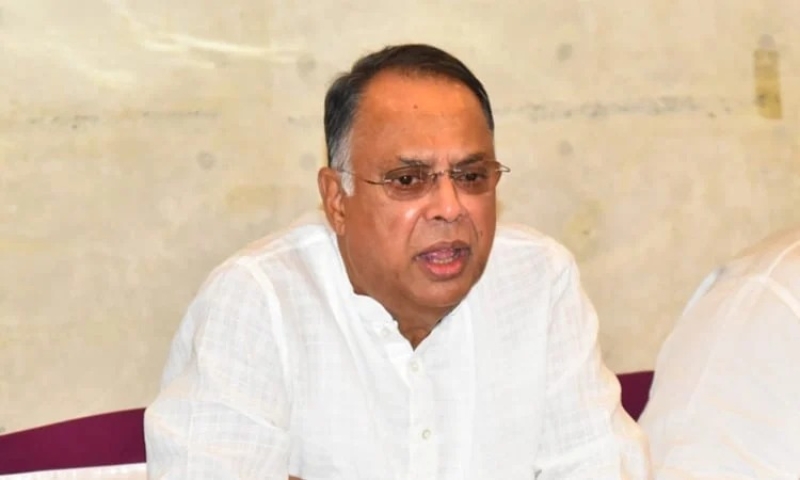
Bangladesh’s Energy Minister Iqbal Hassan Mahmood is expected to visit Brunei, Malaysia and Indonesia in the coming months to strengthen cooperation and explore new opportunities in the energy sector, according to official sources.
The proposed visits aim to expand collaboration with ASEAN countries on LNG, crude oil and refined petroleum imports as Bangladesh looks to diversify its energy supply amid ongoing global market volatility and rising fuel costs.
Officials said the minister was earlier scheduled to visit the region last month but postponed the trip due to domestic energy supply pressures and ongoing market management priorities.
Bangladesh has recently faced higher import costs for LNG and petroleum products, while continuing to sell fuel at subsidised rates in the local market, creating pressure on the energy sector.
Sources in the sector said Bangladesh is now accelerating efforts to secure alternative and diversified energy sources, with ASEAN countries emerging as key partners alongside traditional suppliers from the Middle East.
Brunei has indicated potential supply cooperation, including discussions on exporting around 120,000 tonnes of oil to Bangladesh. Singapore, Malaysia and Indonesia have also been approached to expand refined fuel exports.
Officials noted that about one-fifth of global crude oil shipments pass through the Strait of Hormuz, underscoring Bangladesh’s exposure to supply risks tied to geopolitical tensions and shipping routes.
Energy officials said Bangladesh Petroleum Corporation (BPC) is assessing import strategies to ensure stable fuel supply while managing cost pressures.
Despite past high-level engagements, including memoranda of understanding with Brunei and other ASEAN partners, progress in energy cooperation has remained limited. The upcoming engagements are expected to revive those discussions.
Diplomatic sources said Bangladesh is also seeking to deepen broader economic ties with ASEAN, where its export share remains low at around 1–2 percent of total exports.
Bangladesh’s total exports stood at about $48.28 billion in FY 2024–25, with the readymade garments sector driving most of the growth. Exports to ASEAN countries remain under $1 billion annually.
Thailand has already expressed interest in a bilateral free trade agreement with Bangladesh, while discussions are also underway on improving maritime connectivity, including a proposed shipping route between Ranong and Chattogram.
Trade experts and business leaders say stronger engagement with ASEAN, along with potential free trade agreements, could help Bangladesh reduce dependence on traditional Western markets and expand its export base.
Officials believe the planned visit could mark a step toward building a more diversified and resilient energy and trade partnership with Southeast Asia.