

- Dhaka Ranks 6th Among World’s Most Polluted Cities Today |
- Bangladeshis Spend Tk 9.87 Billion Abroad Using Cards |
- UNICEF Chief Urges Bangladesh to End Child Marriage |
- Oil Prices Hit $110 as Middle East Tensions Escalate |
- Two parties join hands to create unrest in country: PM |
Gulf oil exports surpass pre-war levels despite attacks in Hormuz
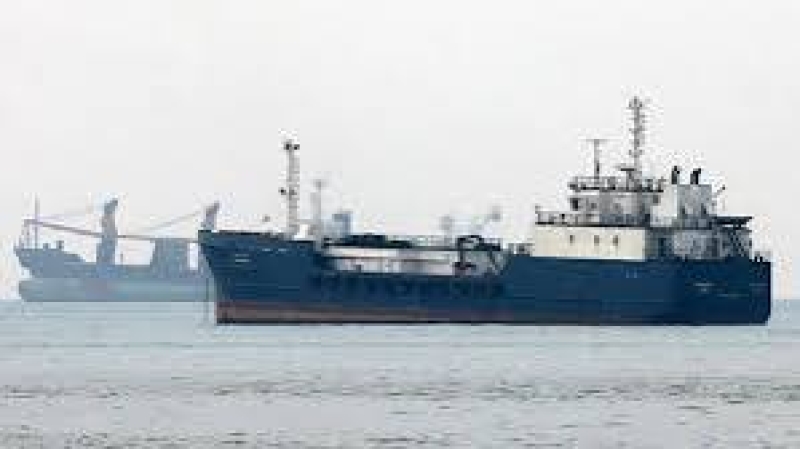
Oil exports from the Gulf have exceeded levels recorded before the US-Israel war on Iran, despite continued attacks on vessels in the Strait of Hormuz, The Wall Street Journal is reporting.
Citing data from ship-tracking firm Kpler, the newspaper said oil flows from the region, including shipments through Hormuz and alternative routes, averaged more than 24 million barrels per day (bpd) in the week ending October 18, compared with 23.3 million before the war.
Shipments through Hormuz, including offshore transfers in the Gulf of Oman, averaged about 14 million bpd, equivalent to 82 percent of pre-war levels.
The report said US military protection, ship-to-ship transfers and alternative pipelines through Saudi Arabia and the United Arab Emirates have helped sustain exports.
About 40 percent of non-Iranian crude exports from the Gulf bypassed Hormuz in September, up from 17 percent before the war, according to Kpler.
But the increased shipments came despite escalating attacks, with about 30 incidents involving ships reported this month.
“The volumes remain high despite rising attacks, because profits make it worth the risk,” Kpler analyst Homayoun Falakshahi told the newspaper, reports AL Jazeera.