

- After the blaze, Kalshi slum dwellers see what little remains |
- Dhaka, 5 other divisions to see heavy rainfall in 24 hours |
- Over 1.6 Million Pilgrims Gather at Sacred Arafat |
- Mayoral candidates' Eid greetings to Kalapara residents on social media |
- Dhaka moves for new $4-4.5 bn IMF programs, drops current one |
Plastic Fishing Traps Threaten Tanguar Haor Ecosystem
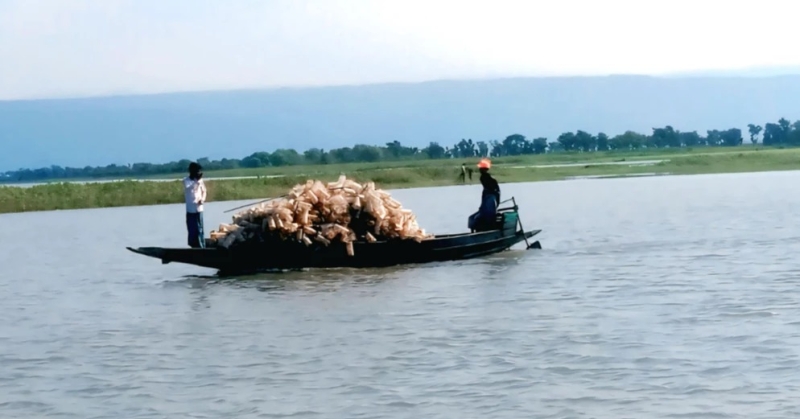
Tanguar Haor, one of Bangladesh’s most important freshwater wetlands and a globally recognised Ramsar site, is facing mounting environmental pressure as plastic fish traps and destructive fishing practices continue to threaten its fragile ecosystem.
Spread across nearly 126 square kilometres in Sunamganj’s Tahirpur and Madhyanagar upazilas, the wetland is considered one of the country’s richest biodiversity zones and serves as Bangladesh’s second Ramsar site after the Sundarbans. Environmentalists, however, warn that increasing plastic pollution and weak enforcement measures are putting its ecological balance at risk.
Once known for hosting between 140 and 200 species of indigenous fish, Tanguar Haor has seen a gradual decline in aquatic biodiversity over recent years. Researchers and environmental campaigners attribute the trend to overfishing, illegal nets and the growing use of plastic-made “Kiranmala chai” traps that have become increasingly common across the wetland.
Locals and conservation groups said many fishermen leave behind discarded plastic traps after use, allowing non-biodegradable materials to remain in the water for years. Over time, these materials break down into microplastics, creating long-term threats to aquatic life.
Environmental experts warned that microplastic contamination could severely affect fish growth, breeding and survival rates. They said the particles can enter the food chain through aquatic organisms, posing broader risks to biodiversity and ecosystem health.
The abandoned plastic materials are also reported to obstruct natural water flow, further disrupting ecological processes across the wetland.
Representatives of environmental and haor conservation organisations said the wetland was already facing serious challenges from illegal current nets, “China duari” traps and excessive fish harvesting, with plastic pollution adding a new layer of concern.
They noted signs of deteriorating water quality, declining oxygen levels, reduced aquatic vegetation and lower fish reproduction rates.
This year, early monsoon rainfall in Cherrapunji triggered a rise in water levels in the Jadukata and Patlai rivers earlier than usual, allowing fish to enter the haor ahead of schedule.
Conservationists said some fishermen have taken advantage of the situation by increasing the use of plastic traps throughout the wetland. The traps have gained popularity because they can catch shrimp and various small fish species with relatively little effort.
Despite repeated concerns and public discussions over the environmental impact of these traps, local residents alleged that no sustained effort has been made to stop their production, sale or use.
Residents near the wetland expressed frustration over what they described as a lack of visible enforcement measures.
“Although the problem has existed for years, effective action remains limited,” said one resident, warning that environmental risks continue to rise.
Conservationists stressed that Tanguar Haor is not only a tourist attraction but also a vital ecological resource for the country.
They warned that unless harmful fishing practices are brought under control, the wetland could face severe and lasting damage in the coming years.
Local administration officials said steps would be taken to protect the wetland’s biodiversity and fisheries resources, adding that those involved in harmful fishing practices would face legal action.