

- Biman signs deal with Airbus to acquire 10 jets |
- Bangladesh Inflation Rises to 8.34% in September |
- GDP growth accelerates to 3.68% in FY26 |
- Bangladesh eyes over $10b bilateral trade with Indonesia |
- Prioritise Multilateralism to Resolve Iran War Humanitarian Crisis |
Extreme heat also threatens wildlife
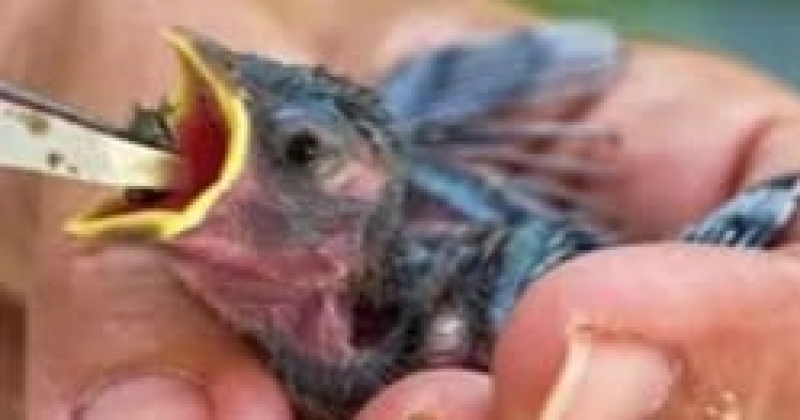
A one-week-old sparrow kitten that fled out of its nest due to the hot temperatures is fed with flies by a veterinarian in Wehrheim near Frankfurt, Germany, Friday, June 26, 2026
The extreme heat sweeping across Europe is not only affecting people but also putting birds and other wildlife under severe stress, experts say.
While many bird species are naturally adapted to warm climates, prolonged periods of intense heat can push them beyond their limits, increasing the risk of heat-related illness and even death.
Birds play a vital role in maintaining healthy ecosystems. They pollinate flowers, spread seeds, help control pests and can even act as early warning signs of environmental changes.
Wildlife experts say there are simple ways people can help birds cope with hot weather without disturbing them.
Birds have natural ways to stay cool
Birds generally have higher body temperatures than mammals, often around 38 degrees Celsius (100 degrees Fahrenheit) or slightly more. They cool themselves by adjusting their feathers, increasing airflow through their unique respiratory system and changing their behavior.
David Bird, an emeritus professor of wildlife biology at McGill University, said many bird species are well equipped to deal with heat, but every species has a limit.
According to Aimee Van Tatenhove, a postdoctoral fellow at Cornell Lab of Ornithology, birds living in cooler regions are more vulnerable to heat than those in tropical areas.
"The prolonged heat Europe is experiencing is likely pushing many species close to their heat limits, putting them at risk of illness or death," she said.
Unlike humans, birds do not sweat. Instead, many cool themselves by opening their beaks and panting, similar to dogs. Some species also rapidly move the skin beneath their throat, a cooling behavior known as "gular fluttering."
Birds also seek shade and cool themselves by bathing in shallow water such as birdbaths, fountains or ponds.
How people can help birds
Experts recommend providing shallow containers of clean water in safe locations where birds are protected from predators.
Keeping bird feeders stocked can also help, as birds may avoid searching for food during the hottest part of the day. This is especially important because insect populations, a major food source for many birds, have declined due to climate change and pollution.
Creating shaded areas with trees, shrubs and other plants can provide long-term protection from extreme temperatures.
However, experts advise against trying to catch or move healthy birds.
"These birds know better than what we do about what is comfortable for them," said Jack Kottwitz, an assistant professor at Michigan State University's College of Veterinary Medicine.
Birds naturally seek cooler places, including shaded branches, lower perches and sometimes areas near fans or buildings.
Leave wild animals in the wild
Experts also advise people not to feed wild animals unfamiliar food, force them to drink water or bring them indoors if they appear affected by the heat.
Animals showing signs of heat stress may actually be sick or injured, and handling them could do more harm than good, reports UNB.
Instead, people should contact local wildlife rehabilitation centres if they find an animal that appears seriously ill or injured.
"The best thing for wildlife is to let them be wild," said Lisa Duke, sanctuary grounds manager at the W.K. Kellogg Bird Sanctuary. "They know what to do with their bodies."