

- Dhaka Ranks 7th Among World’s Most Polluted Cities on Thursday |
- Document: Two Bangladeshis Executed After Detention in 2023 |
- Global Warming May Exceed 1.5°C, but Recovery Is Possible |
- Three Tourists Die, Two Missing at Himchari Beach |
- Road crashes claim over 1.25 lakh lives from 2014 to June 2026: BJKS |
UN Seeks Urgent Aid as El Niño Threatens Millions
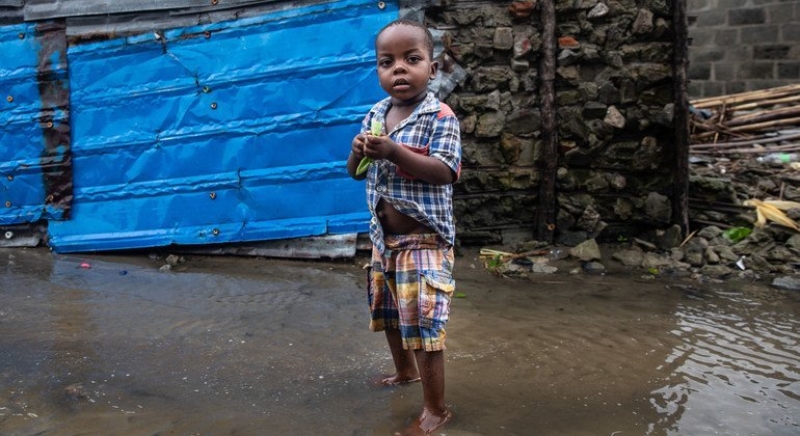
The Praia Nova neighbourhood in Beira, Mozambique, was still recovering from a cyclone that hit in 2019 when it prepared for the arrival of Cyclone Eloise in January 2021. (file)
Two UN agencies have appealed for urgent assistance to protect vulnerable communities from the potentially unprecedented impacts of the strongest El Niño weather pattern on record.
The current El Niño event could reach unprecedented strength, exceeding the limits of monitoring records spanning four decades, and is expected to peak towards the end of 2026, according to Celeste Saulo, secretary-general of the World Meteorological Organization (WMO).
Its effects, however, are likely to persist long after the phenomenon peaks, she warned.
According to WMO’s latest Global Seasonal Climate Update, sea surface temperatures in the tropical Pacific could rise to 3.8 degrees Celsius above average between November 2026 and January 2027.
An anomaly of just 0.5 degrees Celsius above normal is enough to trigger an El Niño alert. Previous events associated with temperature anomalies of around 3 degrees Celsius have caused substantial impacts worldwide, Saulo said, adding that the potential consequences of the current event exceed historical records.
Extreme weather events are already being observed, and their frequency and severity could increase as El Niño intensifies, she warned.
However, Saulo stressed that a powerful El Niño does not have to lead to a humanitarian disaster, as scientific forecasts and early-warning systems can help save lives and protect livelihoods.
UN emergency relief chief Tom Fletcher echoed the warning, describing the phenomenon as a potential “wrecking ball” that could bring extreme heat, droughts and floods to Latin America, eastern and southern Africa, Asia and the Pacific.
Urgent funding needed
The next two weeks will be critical to preventing a worsening humanitarian crisis, Fletcher said, stressing that Somalia, Ethiopia and Kenya urgently need funding and emergency supplies ahead of expected heavy rains.
In southern Africa, priorities include distributing seeds and protecting livestock, while Central America needs immediate support to safeguard livelihoods. Countries across Asia and the Pacific must also prepare for climate-related shocks, including droughts, floods and cyclones.
Fletcher warned that failing to act despite clear scientific forecasts would mean wasting a crucial opportunity to protect people at risk.
Around 50 million people could face increased hunger because of El Niño, he said. An estimate by the African Development Bank suggests the phenomenon could cost African countries between $10 billion and $20 billion and reduce their gross domestic product by 1 to 2 per cent.
UN releases emergency funding
To strengthen preparedness and resilience, Fletcher announced the release of more than $50 million from the UN Central Emergency Response Fund to support 11 countries on the front line of the crisis. The countries include Chad, El Salvador, Ethiopia, Somalia and South Sudan.
The impacts could continue for months or potentially years, he said, pointing to additional pressure on humanitarian operations from disruptions to global supply chains through the Strait of Hormuz and the Black Sea, linked respectively to the war involving Iran and the United States and Russia’s full-scale invasion of Ukraine.
UN support for disaster preparedness
UN agencies are also helping countries reduce disaster risks and strengthen shelters before emergencies strike.
In northern Chile’s Antofagasta region, the UN Development Programme has supported the construction of barriers designed to control floods and flows of mud and debris caused by changing rainfall patterns.
In Madagascar, the national shelter cluster is developing a strategy that includes a five-year humanitarian action plan, with pilot projects underway since early 2025 in the Atsimo Andrefana and Androy regions.
In Nigeria, the UN Office for Disaster Risk Reduction and the Global Shelter Cluster brought together government, humanitarian and environmental partners in June 2025 to begin developing a roadmap for safer shelter in areas affected by conflict and climate shocks.
In Yemen, where more than four million people are displaced, UN agencies and their partners have supported community-led flood defences. Flash floods affected more than 100,000 households in 2024, while a 2.5-kilometre flood diversion channel was developed in Al-Hazm district with support from the UN refugee agency, the UN Office for Disaster Risk Reduction and partners.