

- Bangladesh to Introduce New Law to Curb Extortion, IGP Says |
- UN Marks 81 Years of Global Cooperation and Peace |
- Dhaka's air 5th worst in the world this morning |
- Around 7,500 Bangladeshis imprisoned in Saudi Arabia: Shama Obaed |
- Bangladesh Outperforms India in Global Hunger Index 2026 |
Global Talks Begin in Geneva to Curb Plastic Pollution
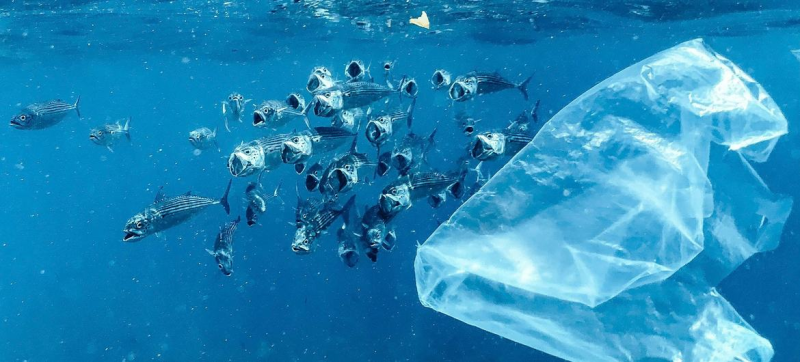
Few places on the planet are free from plastic pollution which is a fact of life today in Bali, Indonesia.
Efforts are underway in Geneva to finalise a global agreement to tackle the staggering and growing amount of plastic waste and its impact on human health, marine life, and the economy.
Unless an international accord is signed, plastic waste is projected to triple by 2060, causing significant damage — including to human health — according to the UN Environment Programme (UNEP).
The UNEP-led talks follow a 2022 decision by Member States to develop an international, legally binding instrument to end the plastic pollution crisis, including in marine environments, within two years.
The scale of the problem is massive, with straws, cups, stirrers, carrier bags, and cosmetics containing microbeads among the many single-use products ending up in oceans and landfills.
Supporters of the agreement have compared it to the Paris Climate Accord in terms of significance. They also point to alleged pressure from petrostates, whose crude oil and natural gas provide the raw materials for plastic production.
“We will not recycle our way out of the plastic pollution crisis: we need a systemic transformation to achieve the transition to a circular economy,” UNEP Executive Director Inger Andersen stated.
The goal of the agreement is to cover the entire life cycle of plastics — from design to production and disposal — “to promote plastic circularity and prevent leakage of plastics into the environment”, according to the guiding text for the Intergovernmental Negotiating Committee (INC) talks.
The 22-page INC document includes 32 draft articles, which will be discussed line by line. The text will shape the future legal instrument and serves as the basis for negotiations.
From 5–14 August, delegations from 179 countries will pore over the INC text during the UN meeting in Geneva, alongside more than 1,900 participants from 618 observer organisations, including scientists, environmentalists, and industry representatives.
A key objective is to share proven methods for reducing plastic use, such as non-plastic substitutes and safer alternatives.
Ahead of the talks, The Lancet medical journal issued a warning that materials used in plastics cause extensive disease “at every stage of the plastics life cycle and at every stage of human life”.
More than two dozen health experts cited in the journal noted that infants and young children are particularly vulnerable. “Plastics are a grave, growing, and under-recognised danger to human and planetary health,” it stated, adding that health-related economic losses exceed $1.5 trillion annually.
Leading the Geneva talks is Jyoti Mathur-Filipp, Executive Secretary of the INC on Plastic Pollution.
“In 2024 alone, humanity was projected to consume over 500 million tonnes of plastic. Of this, 399 million tonnes will become waste,” she noted.
Forecasts indicate that plastic leakage into the environment could grow by 50% by 2040. “The cost of damages from plastic pollution could rise as high as a cumulative $281 trillion between 2016 and 2040,” she added.
The road to a treaty:
Five negotiation sessions toward a plastics treaty have taken place so far:
November 2022 – Uruguay
2023 – France and Kenya
April 2024 – Canada
End of 2024 – Busan, Republic of Korea (adjourned, resumed in Geneva)
These resumed talks are chaired by Ambassador Luis Vayas Valdivieso of Ecuador.