

- Journalist Toufique Imrose Khalidi Dies at 59 |
- Former MP Major (retd) Akhteruzzaman Arrested in Dhaka |
- Seoul Ready to Expand Defence Cooperation With Dhaka |
- 7 killed as bus collides with auto-rickshaw in Mymensingh |
- Heatwaves Cost Bangladesh Nearly Tk 77,000 Crore a Year |
Global food prices hit nearly four-year high in September: FAO
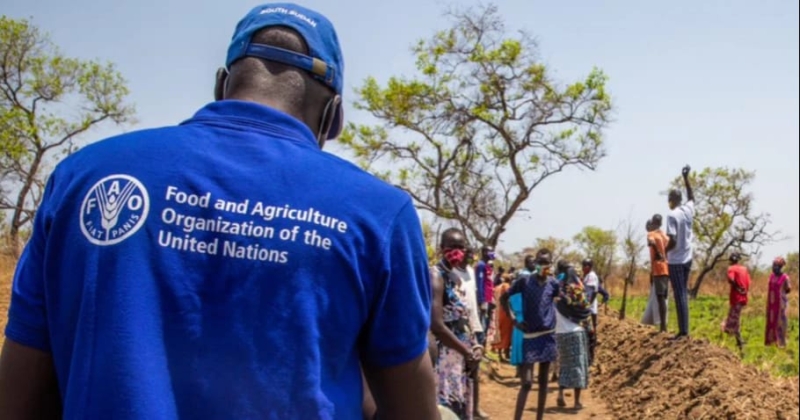
Global food prices rose in September to their highest level in nearly four years, driven by logistics bottlenecks and adverse weather concerns, the United Nations Food and Agriculture Organization (FAO) reported Friday.
The FAO Food Price Index averaged 136.0 points in September, climbing from a revised 134.0 points in August to mark its highest level since November 2022.
According to the agency, benchmark indices for cereal, sugar, and vegetable oil prices increased last month, whereas meat and dairy prices experienced declines.
FAO Chief Economist Maximo Torero highlighted that shipping disruptions in the Strait of Hormuz and the Black Sea, coupled with climate shocks, are applying mounting pressure on energy, transportation, and essential food commodities.
Torero cautioned that if these pressures persist, they could ultimately pass through to retail consumer prices, particularly in countries heavily reliant on food and energy imports.
Driven by fears surrounding a severe El Niño weather pattern, international sugar prices surged to an 18-month high. Meanwhile, conflict-related disruptions to Black Sea trade pushed wheat futures to a three-year peak in early September, the FAO noted.
The FAO maintained its forecast for global cereal production in 2026 largely unchanged at 2.979 billion metric tons. While this represents a 2.1 percent decrease from 2025 levels, it would still mark the second-highest harvest on record.
Additionally, the agency lowered its projection for global cereal trade in 2026/27 by 0.7 percent compared to its September forecast, attributing the cut to reduced expectations for wheat and maize exports amid constrained shipping routes in the Black Sea. -UNB