

- RMG exports to UK almost $1bn in first two fiscal months |
- Trump Rejects Iran Proposal to Reopen Strait of Hormuz |
- Govt to Buy Rooftop Solar Power at Tk 10.50 Per Unit |
- Over 30 tourism clusters being developed in country: PM |
- Bangladesh, US sign strategic civil nuclear cooperation agreement |
Vietnamese Firm Farms Cuban Land to Boost Rice Output
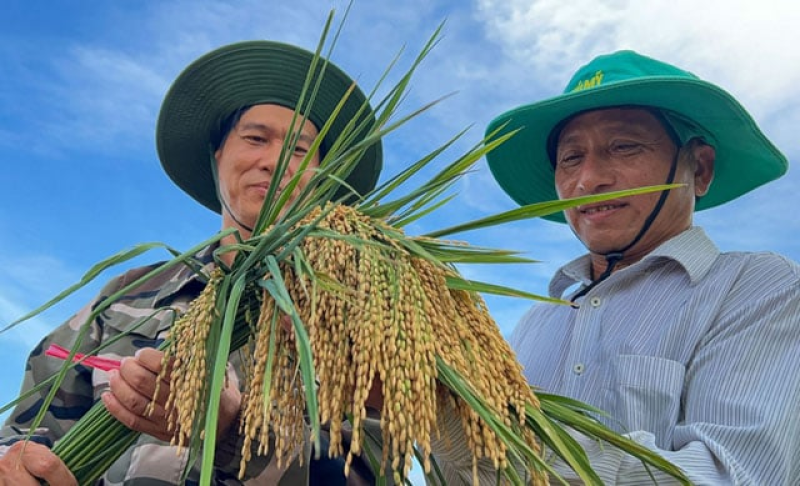
On the outskirts of Havana, a combine from Vietnamese company Agri VAM is harvesting rice on Cuban soil — the first time a private foreign firm has directly farmed land in the country to address severe food shortages.
The Cuban government has granted Agri VAM, a subsidiary of Vietnam’s Fujinuco Group, 1,000 hectares in Los Palacios, 118 kilometres west of the capital. While Vietnam has long advised Cuba on rice cultivation, this marks the first instance of a private enterprise leading the farming itself.
The initiative follows a sharp decline in Cuban agriculture, with total production dropping 52 per cent between 2018 and 2023, according to the University of Havana’s Center for the Study of the Cuban Economy. Rice output fell from 300,000 tonnes in 2018 to just 55,000 in 2021, before a modest recovery. Rice remains a dietary staple, with Cubans consuming around 60 kilos per person annually.
Agri VAM reports yields of seven tonnes per hectare — far higher than the 1.5 tonnes achieved by Cuban farmers. Vietnam, once plagued by food shortages in the 1980s, is now the world’s third-largest rice exporter.
“The climate and temperature are ideal for farming,” an Agri VAM representative said, noting, however, that Cuban farmers lack vital supplies like fertilisers. The company faces additional challenges, including fuel shortages, transport delays, and frozen assets.
Foreign investors in Cuba, including Agri VAM, reportedly struggle to repatriate profits due to the country’s liquidity and foreign currency shortages. In May, Agri VAM requested the release of $300,000 from its account at the state-owned International Financing Bank.
Cuba’s economic crisis has intensified its need for foreign capital. In July, Prime Minister Manuel Marrero Cruz announced steps to encourage investment, including allowing wholly foreign-owned companies in the hotel sector.
Vietnam has urged Havana to remove barriers for its investors, while Russia has pledged up to $1 billion in Cuban projects, though officials caution that results will take time.