

- Bidisha Siddique Arrested in Fraud Case |
- As wars spread, the global food system unravels |
- Holy Eid-e-Miladunnabi Wednesday |
- EU sees Bangladesh as partner of growing strategic importance: Miller |
- Journalism’s main task is to question power: Swapon |
Global Cancer Cases May Double by 2050, WHO Warns
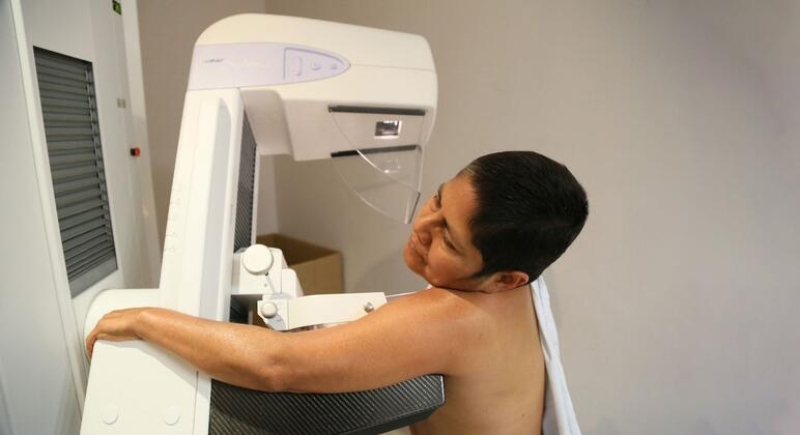
A woman undergoes a mammogram test at a health facility in Mexico.
The number of new cancer cases worldwide could rise to nearly 35 million a year by 2050 unless countries take urgent action to strengthen prevention, early diagnosis and treatment, the World Health Organization (WHO) warned on Wednesday.
The warning comes in the Global Status Report on Cancer 2026, jointly produced by WHO and the International Agency for Research on Cancer (IARC), which highlights widening inequalities in cancer care and survival between high- and low-income countries.
According to the report, cancer already claims more than 26,000 lives every day, with an estimated 20.6 million new cases and nearly 10 million deaths annually, making it the world's second-leading cause of death after cardiovascular disease.
While progress has been made in tobacco control, vaccination and cancer prevention, millions of people continue to face major barriers to life-saving diagnosis, treatment and care.
“Cancer is a deeply personal disease that touches nearly all of us. But whether a person survives cancer should never depend on where they were born or what they earn,” said WHO Director-General Dr. Tedros Adhanom Ghebreyesus.
He said the inequalities highlighted in the report are not inevitable and can be reversed through stronger, coordinated global action.
Sharp disparities in survival
The report found significant differences in cancer survival rates between wealthy and poorer countries.
While 87% of women diagnosed with breast cancer survive for at least five years in high-income countries, the figure drops to around 42% in low-income countries.
Fewer than one in three countries currently include comprehensive cancer care in their universal health coverage packages, leaving millions without access to essential diagnosis, treatment and supportive services.
WHO also highlighted the heavy social and economic burden of cancer. Its first global survey of people affected by the disease found that:
At least 45% experience financial hardship.
More than half report mental health challenges.
Nearly all caregivers face significant pressures, including unpaid caregiving responsibilities and social isolation.
Regional trends
In 2024, Asia accounted for more than half of all global cancer cases and deaths, reflecting its large population.
Europe, despite having only around 9% of the world's population, recorded 21% of all cancer cases and 20% of deaths, indicating a disproportionately high disease burden.
Many countries in Africa and parts of Asia continue to report lower cancer incidence but significantly higher mortality because of limited access to early diagnosis and treatment.
Lung and breast cancer remain major threats
Lung cancer remains the deadliest form of the disease worldwide.
Among men, lung, prostate and colorectal cancers are the most frequently diagnosed, while breast, lung and colorectal cancers are the leading cancers among women.
In 2024 alone, an estimated 2.4 million women were diagnosed with breast cancer, while the disease claimed 694,000 lives worldwide.
WHO noted that breast cancer affects women in every country and becomes increasingly common with age after puberty.
Prevention remains essential
According to WHO, nearly 40% of cancer cases are linked to preventable risk factors, including tobacco use, alcohol consumption, obesity, physical inactivity, unhealthy diets and infections such as human papillomavirus (HPV) and hepatitis B and C.
The agency stressed that prevention strategies must keep pace with emerging risks, including rising obesity, unhealthy lifestyles and air pollution.
“While we are seeing reductions in some cancer rates in countries that have implemented prevention policies, progress has been too slow,” said IARC Director Dr. Elisabete Weiderpass.
She warned that the global cancer profile is changing rapidly and called on governments to keep cancer prevention high on their political agendas.
Progress overshadowed by unequal access
The report acknowledged several advances over the past decade, including declining tobacco use, expanded vaccination programmes and stronger political commitment to cancer control.
Today, 82% of countries have national cancer control plans, up from 50% in 2010.
However, access to essential cancer medicines remains highly unequal. Availability of the 20 priority cancer drugs ranges from just 9% to 54% in low- and lower-middle-income countries, compared with 68% to 94% in high-income nations.
Putting patients first
WHO said effective cancer control requires more than medical treatment and called for health systems that place patients and their families at the centre of care.
“Cancer is not just a medical diagnosis—it profoundly and permanently affects every aspect of a person's life, as well as the lives of their families,” said childhood cancer survivor Clarissa Schilstra, who helped lead WHO's global survey.
She urged policymakers to work closely with cancer survivors and patients to design more equitable, accessible and people-centred cancer policies.