

- Around 7,500 Bangladeshis imprisoned in Saudi Arabia: Shama Obaed |
- Bangladesh Outperforms India in Global Hunger Index 2026 |
- Covered van hits Gazipur police patrol team, killing SI, BNP leader |
- Korean City scrambles to rescue dusky shark after it returns to canal |
- PM inspects Mongla Port, Sundarbans, proposed economic zone |
Lead Pollution Puts 38.4% of Bangladeshi Children at Risk
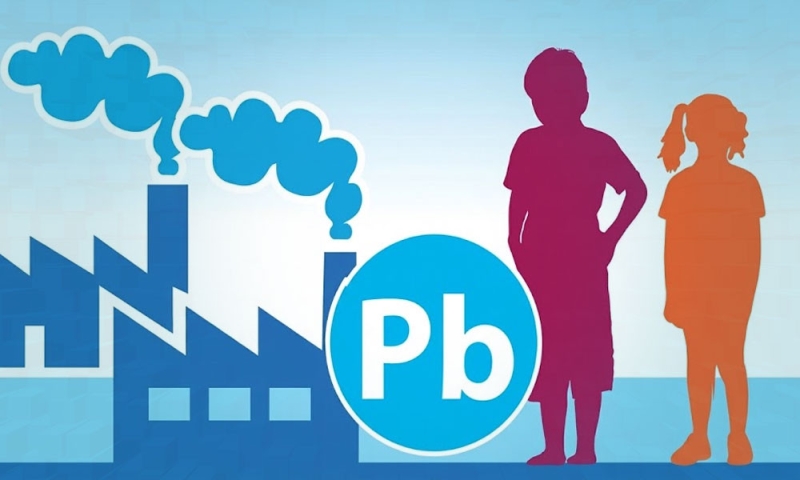
Nearly four in 10 children aged 12 to 59 months in Bangladesh have blood lead levels of five micrograms per decilitre or higher, raising serious public health concerns, according to a national survey.
Data from the 2025 Multiple Indicator Cluster Survey (MICS), conducted by the Bangladesh Bureau of Statistics (BBS) and UNICEF, show that 38.4% of children in this age group have blood lead levels at or above this threshold.
The World Health Organization considers blood lead levels of five micrograms per decilitre or higher a cause for public health concern. However, no level of lead exposure is considered safe for children.
The situation is particularly alarming near industrial areas, where 80.6% of children have blood lead levels at or above the threshold. The survey also found that 7.5% of pregnant women had lead levels at the same level.
Lead can pass from a pregnant woman to her developing baby, potentially harming the child's development.
Dhaka Division recorded the highest proportion of children with elevated blood lead levels, at 65.2%. The rate was 46.7% in Sylhet, 42.1% in Chattogram, 30.6% in Mymensingh, 29% in Barishal, 19.6% in Rangpur, 17.8% in Khulna and 15.9% in Rajshahi.
Children in urban areas were more likely to have elevated blood lead levels than those in rural areas, although neither setting was free from risk. The survey found that 40% of urban children and 36% of rural children had blood lead levels of five micrograms per decilitre or higher.
Researchers suspect that children may be exposed to lead through industrial waste, the recycling of old batteries, contaminated dust and soil, paint, toys and various household products. Further testing is needed to determine the extent to which each source contributes to exposure.
Professor Shahriar Hossain, senior technical adviser at the Environment and Social Development Organization (ESDO), said lead was invisible but could cause permanent damage to children's brains.
He stressed the need to detect lead exposure, identify pollution sources and take preventive action before further harm occurs.
Experts say Bangladesh needs regular testing of blood and environmental samples, better identification of high-risk areas and stronger monitoring of pollution sources. They also called for effective enforcement of standards for lead-containing paints and products, along with greater accountability in industrial waste management.
Bangladesh is observing International Lead Poisoning Prevention Week from October 18 to 24, 2026. This year's theme, “From Detection to Prevention,” highlights the importance of identifying sources of lead exposure and taking effective preventive measures before poisoning occurs.