

- Biman signs deal with Airbus to acquire 10 jets |
- Bangladesh Inflation Rises to 8.34% in September |
- GDP growth accelerates to 3.68% in FY26 |
- Bangladesh eyes over $10b bilateral trade with Indonesia |
- Prioritise Multilateralism to Resolve Iran War Humanitarian Crisis |
Attack Halts Hormuz Rescue After 2,500 Evacuated
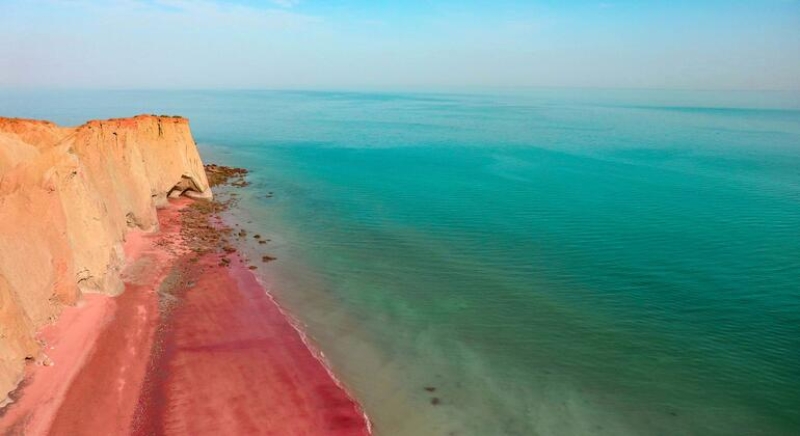
The Strait of Hormuz links the Persian Gulf to the Gulf of Oman.
The United Nations maritime agency said on Friday it had evacuated around 2,500 stranded seafarers from the Persian Gulf before suspending operations following an attack on a commercial vessel near the Strait of Hormuz.
The evacuation mission, coordinated by the International Maritime Organization (IMO), was launched to rescue nearly 11,000 mariners stranded aboard around 600 vessels since conflict involving Iran, the United States and Israel escalated earlier this year.
According to the IMO, 115 ships carrying roughly 2,500 crew members successfully exited the Gulf during the first three and a half days of the operation.
However, the rescue mission was paused on Thursday after a container vessel, Ever Lovely, came under attack while transiting the Strait of Hormuz near Oman’s coast.
IMO Secretary-General Arsenio Dominguez said the vessel was not part of the UN-led evacuation operation.
“We are still investigating exactly what happened to the vessel,” Dominguez said during a press briefing in London.
He added that the ship had not contacted Omani authorities before transit under the agreed evacuation framework.
The attack has raised fresh concerns over maritime safety in one of the world’s most strategically important waterways.
The Strait of Hormuz remains a critical global shipping route through which nearly one-fifth of the world’s oil supply passes during normal conditions.
Although a preliminary understanding between Iran and the United States helped ease hostilities and partially reopen the waterway, uncertainty remains over who guarantees safe navigation through the narrow channel linking the Persian Gulf to the Indian Ocean.
Iran has insisted that only routes approved by Tehran should be used, while many vessels have continued using a southern corridor near Oman under arrangements involving Oman, the United States and the IMO.
The competing navigation routes have complicated rescue and commercial shipping efforts.
Dominguez said the immediate priority is restoring confidence so vessels can transit safely regardless of which route they use.
“Our priority is ensuring the safety of vessels and seafarers so that no ship faces threats or attacks while transiting,” he said.
The IMO is currently in discussions with Iran, Oman and the United States to secure fresh guarantees before evacuation efforts resume.
Despite the suspension, shipping traffic through the Strait has not stopped completely.
Preliminary data showed four vessels crossed via the northern corridor managed by Iran on Friday, while another 11 used the southern route with support from Oman and the United States.
Dominguez also revealed another major challenge: key international shipping lanes remain unsafe due to naval mines.
As a result, vessels are currently being routed through two temporary corridors established through emergency negotiations.
The humanitarian crisis continues to worsen.
According to the IMO, at least 14 seafarers have been killed and more than 40 commercial vessels attacked since the conflict began.
Many crews have spent over three months trapped aboard ships in Gulf waters, relying on outside assistance for food, fuel, medical supplies and communication with families.
“Seafarers feel forgotten,” Dominguez said.
He stressed that while global attention remains focused on geopolitics, energy markets and regional security, thousands of innocent seafarers remain caught in the crisis.
The UN agency said its immediate focus remains the safe evacuation of all stranded crew members before attention shifts to clearing mines and restoring normal navigation through the Strait of Hormuz.