

- Speaker sees no possibility of Hasina's return even in 10-yrs |
- Bangladesh Ambassador to Japan returns home ahead of PM’s visit |
- Sajek Road Blockade: 2,933 Tourists Evacuated Amid Gunfire |
- Climate Crisis May Displace 7.5% of Bangladeshis by 2050 |
- NEIR Rollout Targets Tk 2,000cr Revenue Loss From Illegal Phones |
Six Months of War: What Did the US and Iran Gain, Lose?
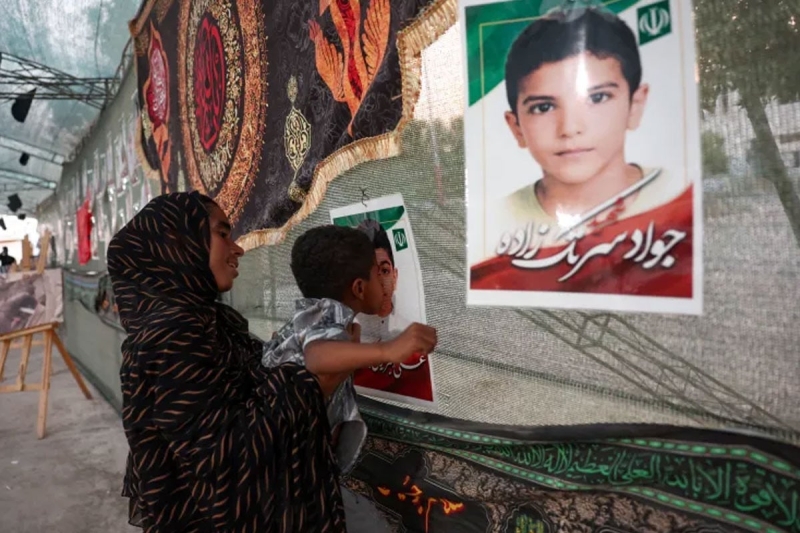
Six months have passed since the United States and Israel launched strikes on Iran on February 28. What President Donald Trump initially suggested would be a short conflict has instead evolved into a prolonged confrontation, spreading from the Strait of Hormuz to the Caspian Sea.
Thousands of people have been killed and injured, while disruptions to shipping and energy supplies have shaken global markets. Six months into the conflict, a central question remains: how much have the United States and Iran actually achieved?
Recent assessments suggest that while the United States has demonstrated overwhelming military superiority, it has struggled to translate that advantage into clear political and strategic gains. Iran, meanwhile, has suffered heavy losses but its political system has survived.
Nuclear programme remains unresolved
One of Washington's main objectives was to prevent Iran from maintaining a nuclear weapons capability. US and Israeli strikes severely damaged Iran's nuclear infrastructure, but questions remain over the fate of its enriched uranium stockpile and the extent to which its nuclear programme has been permanently disabled.
A June understanding between the two sides failed to produce a lasting settlement. With international verification also limited, the United States has yet to secure a definitive end to Iran's enrichment activities.
Regime change did not happen
Another objective discussed in Washington was weakening or changing Iran's leadership. Supreme Leader Ali Khamenei was killed in the opening phase of the war, but the political system survived and his son, Mojtaba Khamenei, emerged as the country's new supreme leader.
Rather than collapsing, Iran's state institutions adapted to the wartime conditions and maintained control.
Iran's military capability was damaged, but not destroyed
US and Israeli strikes inflicted significant damage on Iran's military infrastructure, missile forces and naval capabilities. Yet Iran has retained the ability to launch missiles and operate drones.
The conflict has therefore reduced Iran's military capacity without eliminating its ability to retaliate or threaten US and allied interests in the region.
Hormuz became a strategic battleground
The Strait of Hormuz has emerged as one of the most important fronts in the conflict. Iran's ability to disrupt shipping through the waterway has created a major challenge for Washington and contributed to global energy-market instability.
The strait normally carries a substantial share of the world's oil and LNG supplies. Its prolonged disruption has therefore pushed up energy risks and created wider economic consequences. Iran and Oman are now discussing a possible temporary navigation corridor to restore some maritime traffic.
Iran has paid a heavy economic price
Iran's economy has suffered from the war, sanctions and restrictions on oil exports. The currency has weakened, inflation has increased and oil revenues have been squeezed.
The pressure has further weakened an economy that was already struggling under years of international sanctions. Yet Tehran has maintained important economic and diplomatic links with China and Russia.
Washington has also paid a price
The United States has faced rising military costs, casualties and pressure on weapons stocks after months of sustained operations. The prolonged conflict has also affected President Trump's political standing, with public support for the war remaining weak.
The strain on US military resources has raised concerns about Washington's ability to maintain readiness for other potential conflicts.
The war has also exposed differences between Washington and some of its allies. Several countries have been reluctant to become directly involved, limiting the broad international backing the United States might have expected.
So, who won?
Six months into the conflict, there is no clear winner.
The United States has demonstrated its overwhelming military power and inflicted severe damage on Iran's nuclear and military infrastructure. But it has not achieved all of its major political objectives, particularly the complete elimination of Iran's nuclear capabilities or a fundamental transformation of its political system.
Iran has suffered enormous military and economic damage, but it has survived the campaign, retained significant military capabilities and continued to exert influence over the strategic Strait of Hormuz.
The result is less a decisive victory than a costly strategic stalemate. The conflict has weakened both sides, disrupted global energy markets and left the Middle East more unstable than it was six months ago.