

- Dhaka Seeks Ganges Treaty With Guarantee on Water Share |
- Navi Pillay Wins 2026 Nobel Peace Prize |
- Bangladesh Steps Up Anti-Trafficking Efforts, US Says |
- Cheap reading glasses remain key conduit to better quality of life |
- ডিপি ওয়ার্ল্ডকে বাংলাদেশে বিনিয়োগের আহ্বান প্রধানমন্ত্রীর |
Bangladesh faces $4.12b extra import burden amid Mideast crisis
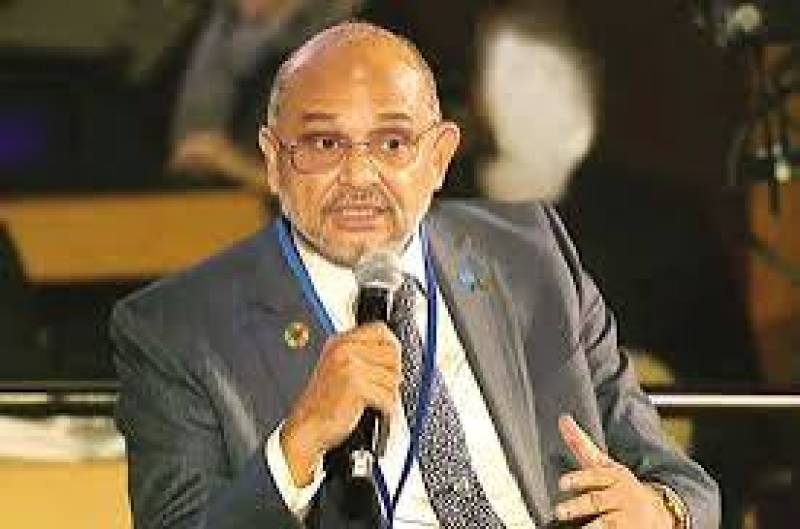
Prime Minister’s Adviser on Finance and Planning Prof Rashed Al Mahmud Titumir on Friday said Bangladesh faces an additional $4.12 billion burden on energy and fertiliser imports over seven months due to the Middle East crisis.
“If this war continues, then we have to count almost $600 million per month,” he said, stressing that developing countries should not be left to bear the costs of global crises without adequate international support.
The PM’s adviser made the remark, addressing a high-level conference titled ‘An Asia for Everyone: Public Services, Social Protection and the Promise of Shared Prosperity’ at Chulalongkorn University in Bangkok, Thailand, just ahead of the World Bank and IMF Annual Meetings.
He said the international community must take responsibility for the economic costs borne by developing countries through no fault of their own.
Titumir said Bangladesh would need an additional $1.82 billion for liquefied natural gas (LNG) imports, around $70 million for fertiliser and $2.21 billion for oil during the seven months from March to September due to the crisis.
“But we don't see multilateralism. We don't see international voices. We don't see action, we see inactions,” he said, criticising what he described as the lack of effective action by the international community and civil society to address the economic consequences of the crisis for countries that were not responsible for it.
He urged international organisations and civil society groups to make the issue a priority during the upcoming World Bank and IMF meetings in Bangkok.
He pointed out the non-action of the global community and a government that is counting the cost.
The adviser said inequality was not simply a matter of differences in people's living conditions but was also created and sustained by public policies and the distribution of political power, reports UNB.
“If we are to deal with it, then we must deal with the politics of it and political settlement of it, which means that we have to deal with how power is skewed,” he said.