

- Wage Board for Garment Workers to Be Formed Sunday |
- Mass mobilisation to secure river-water rights urged |
- HSC Results 2026 Published, Pass Rate Stands at 52.12% |
- Nations Agree to Revive Efforts to Meet 2030 Nature Goals |
- Dhaka Among World’s 15 Most Polluted Cities on Saturday |
Eight-Month Ban on Catching Juvenile Hilsa Begins Tonight
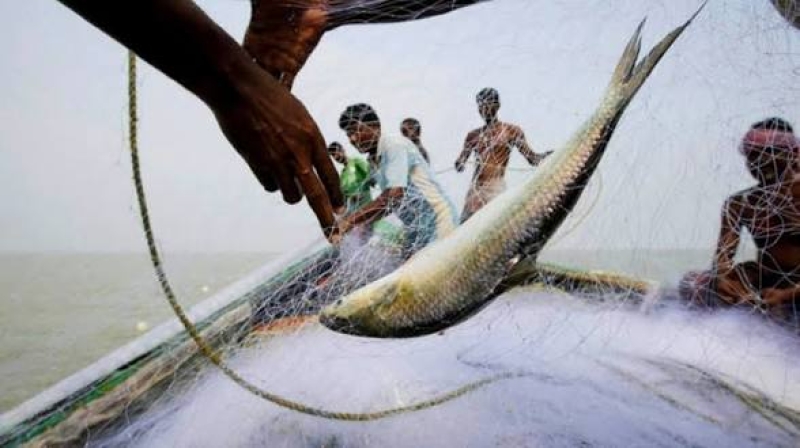
A ban on catching jatka, or juvenile hilsa, in the sea and rivers will take effect at midnight on Saturday and remain in force until June 30, 2027, to help replenish hilsa stocks and ensure their long-term conservation.
Catching, transporting, marketing, buying, selling and storing hilsa measuring less than 25 centimetres will be prohibited under the ban, the Ministry of Fisheries and Livestock said in a message issued on Saturday evening.
The Department of Fisheries will implement the ban.
The ministry said the “Mother Hilsa Conservation Drive-2026” was conducted from October 8 to 29 during the peak breeding season to protect brood hilsa.
According to the ministry, hilsa fry hatched from eggs released by roe-bearing fish remain in the country’s coastal rivers and estuaries until they are five to eight months old.
Protecting the juvenile fish during this period is essential to increasing hilsa production and ensuring the sustainability of the fishery, it said.
The ministry added that allowing the fry to grow safely could help increase the country’s hilsa production in the future.
Anyone violating the ban faces up to two years of rigorous imprisonment, a fine of up to Tk 5 lakh, or both, under the Fisheries Protection and Conservation (Amendment) Ordinance and the Fisheries Protection and Conservation Rules, the ministry warned.
The Department of Fisheries will strictly enforce the ban across the country with support from district and upazila administrations, the Navy, the Coast Guard, River Police, the Special Response Battalion (SRB) and local law enforcement agencies.