

- A black poa fish sold for 50 thousand |
- PM Calls for Emission Cuts, Boost Carbon Credits |
- Bangladesh to Build Modern Four-Dimensional Force |
- Govt bans PM's image on official banners, billboards |
- PM asks PGR not to distance him from people on security ground |
A Fictional Reflection: Building a New Bangladesh Through Integrity
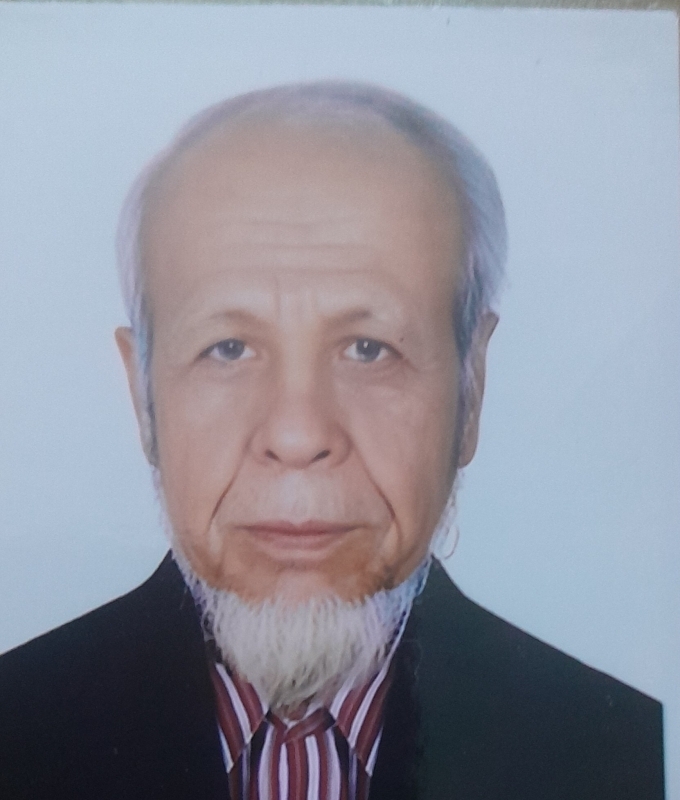
Mohd Siddiqur Rahman
.Nations are not transformed merely by constructing roads, bridges, or skyscrapers. True national progress begins with the character of its people. The following fictional episode is not aimed at any individual or institution. Rather, it serves as a moral reflection on how unethical practices can gradually weaken a society and how integrity can become the foundation of a brighter future.
Two young Bangladeshis, Arif and Meghla, returned home after completing their studies abroad. Like many patriotic young people, they carried a dream in their hearts—to contribute to the building of a prosperous, just, and compassionate Bangladesh.
As they travelled across the country, they discovered that the overwhelming majority of citizens were honest, hardworking, and peace-loving. Yet they also observed that the actions of a small minority often overshadowed the good work of many. They encountered instances where bribery delayed public services, abuse of authority undermined justice, misinformation created social divisions, and personal interests were placed above the welfare of the nation.
Deeply concerned, Arif asked an elderly teacher, "Our country possesses immense potential. Why, then, do we so often fail to realize it?"
The wise teacher replied, "A nation is rarely defeated by external forces alone. More often, it is weakened from within—by dishonesty, corruption, injustice, and the silence of good people. Every small act of corruption, every deliberate falsehood, and every abuse of trust slowly erodes the moral foundation of a nation."
Those words profoundly inspired the two young friends. Instead of complaining, they chose to act. Together with teachers, students, professionals, and community volunteers, they launched a movement dedicated to promoting integrity and civic responsibility.
Their guiding principle was simple:
"Let us be honest ourselves, and inspire honesty in others."
They organized discussions on ethics in schools and libraries, encouraged voluntary community service, promoted environmental awareness through tree-planting campaigns, and used social media responsibly to spread truth, respect, and constructive dialogue instead of hatred and misinformation.
At first, many dismissed their efforts as unrealistic. Some questioned whether such small initiatives could make any meaningful difference. However, change began quietly. One honest decision encouraged another. One responsible citizen inspired many more. Communities gradually became more aware that national development begins not only with government policies but also with individual conscience.
Years later, during an Independence Day celebration, the elderly teacher addressed a gathering of young people and said:
"A new Bangladesh will not emerge through miracles. It will be built by millions of ordinary citizens making extraordinary moral choices every single day. When we refuse to accept dishonesty, reject corruption, respect the rule of law, and place the national interest above personal gain, we lay the foundation for lasting progress."
The audience responded with warm applause. Arif and Meghla looked at one another with quiet satisfaction. They knew that meaningful change takes time, but they also understood a timeless truth: it is always better to light a single candle than to curse the darkness.
This fictional episode reminds us that the future of Bangladesh does not depend solely on economic growth or technological advancement. It depends equally on the moral strength of its citizens. If families nurture values, educational institutions cultivate character, public servants uphold accountability, and every citizen performs his or her duty with honesty and compassion, Bangladesh can become a model of justice, harmony, and sustainable development.
The dream of a new Bangladesh is not beyond our reach. It begins with each of us—through integrity, responsibility, mutual respect, and an unwavering commitment to the common good.
(Writer : Mohd Siddiqur Rahman is an Ex Country Manager (Germany) of Biman Bangladesh Airlines. )