

- Non-performing loans surpass Tk 6 lakh crore |
- BERC Cuts 12kg LPG Cylinder Price to Tk 1,585 |
- Govt to procure 4 LNG cargoes to meet energy demand |
- PM Unveils 10-Year Energy Roadmap to Support $1T Economy |
- As Spain swelters, a centuries-old accessory is having a moment |
A personal tribute to Mrs. Khaleda Zia
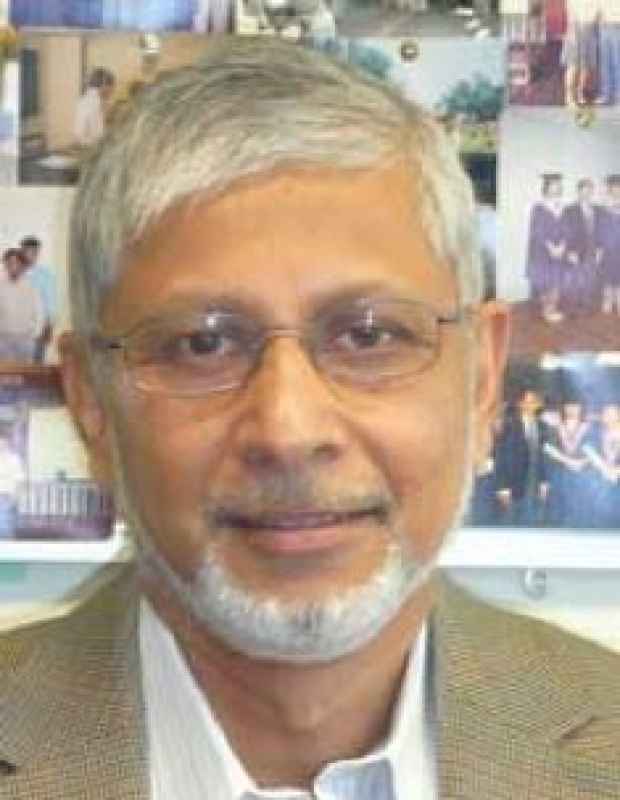
Anis Chowdhury
Anis Chowdhury
Mrs Khaleda Zia – A reluctant politician becoming a Stateswoman and the face of the Nation
The nation has farewelled its last hero – close to an estimated 3 million people dared cold and distance, gathered at the site of the national parliament to pay their last respect to their dear leader who gave expressions to their hopes and aspirations as well as determination – “In their hands are the chains of slavery, in our hands is the flag of freedom!”. People from all walks of life stood in solemn silence as the nation farewelled its Guardian.
Begum Khaleda Zia
Khaleda Zia has passed away after a long illness imposed on her by the vindictive Hasina regime, falsely convicting her and imprisoning in a substandard jail cell. Like her husband, Shaheed President Zia, she was thrust into the whirlpool of history. Both never sought power; but when the responsibility fell on their shoulders, they carried out their duties to the nation whole-heartedly and selflessly; thus, they became a true statesman (woman), winning hearts and minds of their people.
Khaleda Zia’s rise from a housewife to a stateswoman has been a remarkable journey shaped by vicissitudes (unfortunate events) that she overcame with grace and dignity. Thrust into public life by circumstance rather than ambition, she quickly emerged as a central figure in Bangladesh’s political landscape. Her life story reflects resilience in the face of personal tragedy and political adversity, and it continues to resonate with many who value composure and moral fortitude in leadership.
Perhaps Khaleda Zia’s most enduring legacy lies in her extraordinary restraint and dignified disposition, even under severe and prolonged adversity. Despite political persecution, personal humiliation, and moments of profound injustice, she largely refrained from vindictiveness or public rancour. This self-restraint, rooted in grace rather than weakness, distinguished her from many of her contemporaries and offers a powerful lesson for today’s often abrasive and confrontational political culture.
In an era where politics is frequently reduced to spectacle, aggression, and expediency, Khaleda Zia’s leadership style serves as a reminder that dignity and moral composure are themselves forms of strength. Today’s politicians have much to learn from her example, particularly the value of patience, ethical restraint, and respect for institutional norms. Leadership, as her life demonstrates, need not be loud to be consequential.
However, the political landscape of Bangladesh has undergone a profound transformation, especially following the July uprising. Citizens today are far more awakened, discerning, and demanding. They seek Insaf: justice, fairness, and moral accountability not only in governance but in every aspect of public life. This heightened consciousness has rendered older political models and operational practices increasingly obsolete. In this fraught and uncertain political landscape, Hadi’s Insaf ideology is instructive as it offers an emancipatory guiding light that can illuminate every turn of our nation’s journey forward.
Long before her passing, Khaleda Zia had effectively ceased to be an active participant in national politics. Since her unfair incarceration in 2018 under the Hasina government, her political role had been largely symbolic rather than operational. As the BNP drifted away from Shaheed President Zia’s ideology during Khaleda Zia’s forced absence, the young generation quietly created a new ideology of “insaf” to replace the dynastic politics of the privileged, expressed boldly through the July Revolution.
It would be a national tragedy if in Mrs. Zia’s physical absence, the BNP struggles to come to terms with the new reality of Bangladesh’s politics. Unfortunately, the political model and modus operandi practiced by the BNP thus far appear misaligned with the aspirations of this new civic consciousness. But even in her death Mrs. Khaleda Zia’s declaration, “I have no address outside the country; this country, its land, and its people are everything to me” will continue to guide and inspire the bearers of Hadi’s insaf ideology.
May the Most Gracious and the Most Beneficent accept her among the righteous and grant her the highest Paradise. Aamiin.
Warmest regards
Anis (Anisuzzaman) Chowdhury
Special Assistant to the Honourable Chief Advisor (Ministry of Finance), Government of Bangladesh
Emeritus Professor, Western Sydney University, Australia
Managing Editor, Asia-Pacific Sustainable Development Journal
Co-editor, Journal of the Asia Pacific Economy