

- Around 7,500 Bangladeshis imprisoned in Saudi Arabia: Shama Obaed |
- Bangladesh Outperforms India in Global Hunger Index 2026 |
- Covered van hits Gazipur police patrol team, killing SI, BNP leader |
- Korean City scrambles to rescue dusky shark after it returns to canal |
- PM inspects Mongla Port, Sundarbans, proposed economic zone |
Global Population Age Gaps Create Diverging Challenges
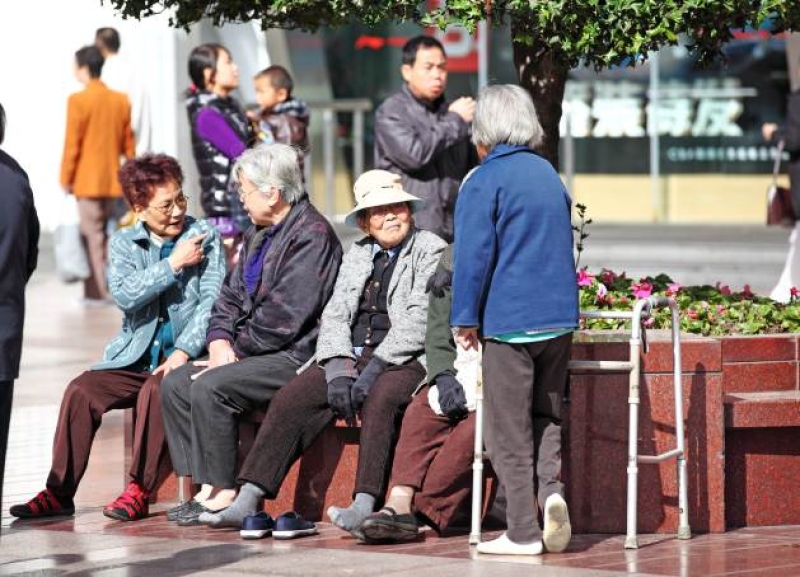
Despite the overall trend toward older populations, substantial differences in age structures exist among countries.
Population age structures vary considerably across countries, with some nations having predominantly young populations while others face rapidly ageing societies. The contrasting demographic trends are creating different social and economic challenges around the world.
The world’s population is currently about 8.3 billion, with a median age of around 31 years. That is significantly higher than during much of the 20th century, when the global median age was generally below 25. The global median age was 22 in 1950, fell to 20 in 1970 and then rose to nearly 25 by 1999. It is projected to reach about 36 by 2050.
Despite the global shift towards older populations, major differences remain between countries. In 2026, around 50 countries and territories have median ages of 21 or younger, while a similar number have median ages of 42 or older.
Countries with the youngest populations are concentrated mainly in Africa. The Central African Republic, Chad, Democratic Republic of the Congo, Mali, Niger and Somalia have median ages of 16 or younger. In contrast, older populations are concentrated primarily in Europe and East Asia. France, Germany, Italy, Japan, South Korea, Spain and Switzerland have median ages of 42 or older, with Italy and Japan recording the highest median ages at about 50 years.
The differences are also evident in the share of children and older people. In 2026, 56 percent of the population in the Central African Republic is under 18, while the figure is about 53 percent in Chad, the Democratic Republic of the Congo, Niger and Somalia. Only around 3 percent of the population in each of these countries is aged 65 or older.
By comparison, countries such as Greece, Italy, Japan, Portugal and South Korea have much older populations. In Italy and Japan, around 14 percent of the population is under 18, while between 25 and 30 percent is aged 65 or older.
These demographic differences have far-reaching consequences for population growth, labour markets, employment, education, healthcare, retirement systems and long-term care. Young and rapidly growing populations generally require major expansion of schools, housing, healthcare, infrastructure and employment opportunities.
Several African countries with particularly young populations are expected to experience rapid growth by mid-century. The populations of Chad, the Central African Republic, the Democratic Republic of the Congo, Niger and Somalia are projected to increase by more than 80 percent.
Rapid population growth can make it harder to reduce hunger and inequality, expand healthcare, create decent jobs and address social unrest and internal conflicts. Large numbers of young people entering labour markets without sufficient employment opportunities can also increase pressure for migration.
In several African countries, including the Democratic Republic of the Congo, Sierra Leone and Liberia, at least half of the population reportedly wants to emigrate, often to Europe or North America. Nigeria presents another striking example, with approximately half of its population reportedly expressing a desire to leave the country because of economic hardship, unemployment, limited opportunities and insecurity.
At the other end of the demographic spectrum, ageing populations are creating labour shortages and increasing pressure on pension and healthcare systems. Countries such as Italy, Japan and South Korea are projected to see their populations decline by about 13 percent by 2050.
Population ageing, combined with longer life expectancy, is reducing the number of workers available to support each retiree while increasing the financial burden associated with pensions, healthcare and long-term care. Longer lifespans can also mean that people outlive their savings or retirement benefits.
Governments therefore face very different policy challenges depending on their demographic structure. Countries with youthful populations need to expand education, employment, healthcare and other services, while ageing societies must prepare for greater demand for pensions, healthcare and long-term care.
The contrasting age structures of countries highlight the need for governments to adapt policies and programmes to changing demographic realities. Delaying such adjustments is likely to make the social and economic consequences more difficult and costly to manage.