

- Trump claims Iran won’t close Hormuz strait again |
- Trump says Israel ‘prohibited’ from bombing Lebanon |
- Iran, US say Strait of Hormuz is fully open to commercial vessels |
- WHO, UNICEF Urge Bangladesh to Keep E-Cigarette Ban |
- Nearly 900 Rohingya Dead or Missing in Sea Crossings |
TIME Names Bangladesh PM Tarique in 100 Influential List
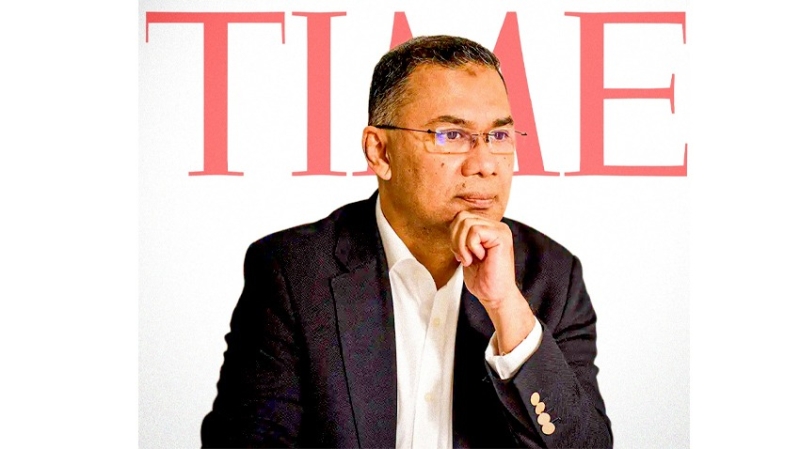
Prime Minister Tarique Rahman has been named among the world’s 100 most influential people for 2026 by TIME magazine.
The annual list, released on April 15, places the Bangladeshi leader alongside global figures including US President Donald Trump, UK Prime Minister Keir Starmer, Pope Leo XIV, Israeli Prime Minister Benjamin Netanyahu, Nepal’s Prime Minister Balendra Shah, and New York Mayor Zohran Mamdani.
In its profile, TIME highlighted Rahman’s rapid political rise, noting that he had been living in exile in London just months before returning to national leadership following major political changes in Bangladesh in 2024. The report said he moved from opposition politics to becoming the country’s leader after a decisive election victory in February.
The profile also referred to the personal challenges surrounding his return, including the death of his mother, former Prime Minister Khaleda Zia, shortly after his arrival in Dhaka. It noted that he had pledged to focus on national unity and economic recovery amid challenges such as inflation, unemployment, and strained regional relations.
TIME added that while past legal controversies may shape public perception, Rahman has expressed determination to focus on governance and democratic reforms.
Following the announcement, a spokesperson from the Prime Minister’s Office described the recognition as an acknowledgement of his leadership, saying he had played a key role in restoring democratic processes, strengthening institutions, and promoting political rights.
The statement also said that his leadership represents a commitment to inclusive governance and national unity, and that the recognition reflects growing international attention on Bangladesh’s political transition.