

- Why President Shahabuddin resigned from office |
- President Mohammed Shahabuddin Resigns |
- Experts Call for Better Flood Forecasting, Urban Planning |
- Fakhrul Urges Public to Ignore Resignation Rumours |
- President Shahabuddin Set to Resign Today: Agency |
Why President Shahabuddin resigned from office
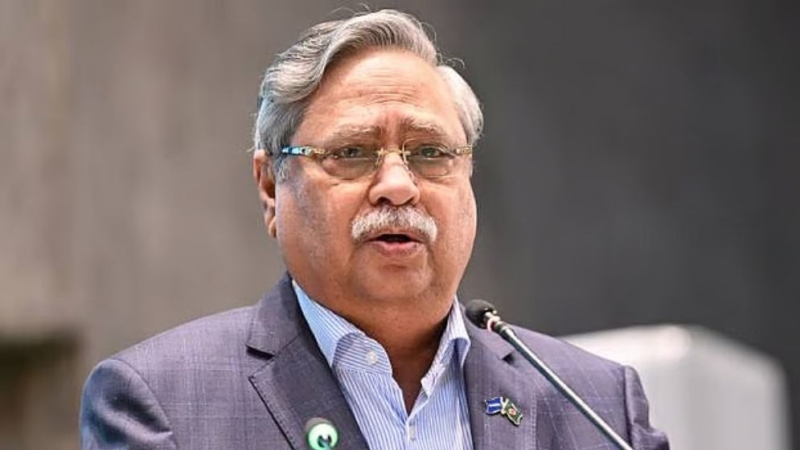
Bangladesh's 22nd President, Mohammed Shahabuddin, has resigned, citing serious health problems and his inability to continue discharging the responsibilities of the country's highest constitutional office.
In a resignation letter submitted to the Speaker of Parliament on Friday, Shahabuddin formally stepped down from the presidency, saying his deteriorating physical condition no longer allows him to perform his constitutional duties effectively.
He wrote that since assuming office on April 24, 2023, he had sought to uphold the Constitution and carry out the responsibilities of the presidency with sincerity and dedication. However, worsening health has made it impossible for him to continue in the role.
The President said he has long been suffering from heart disease, hypertension, diabetes and kidney-related complications. He also underwent bypass surgery in the past. More recently, doctors diagnosed him with autonomic neuropathy, a rare neurological disorder that can cause sudden loss of consciousness, significantly affecting his ability to perform official duties.
According to the letter, his physicians have advised prolonged medical treatment, close monitoring and complete rest. Given his condition, he said remaining in office would not be in the country's best interests. He added that he decided to resign to uphold the dignity of the Constitution and ensure the uninterrupted functioning of the state.
Shahabuddin also referred to the student-led mass uprising on August 5, 2024, and the political developments that followed. He said that during the constitutional crisis, he sought the opinion of the Appellate Division of the Supreme Court under Article 106 of the Constitution and, based on that advice, took steps to facilitate the formation of the interim government. He also said he consulted political parties to help pave the way for national elections.
The outgoing President claimed that his actions during the crisis helped avert a major constitutional impasse and ensured continuity in state affairs.
He submitted his resignation under Article 50(3) of the Constitution.
Under Article 54 of the Constitution, if the office of the President becomes vacant, the Speaker of Parliament will perform the duties of the President until a new President is elected by the members of Parliament.