

- Tarique Seeks Japanese Support for Energy, Tech and Infrastructure |
- Japan eyes 1 trillion yen investment in Bangladesh over 5 years |
- Dhaka Among World’s 11 Most Polluted Cities on Tuesday |
- Tide Rising, Time Running Out For Coastal People, Wildlife |
- Dhaka Turns To Solar As Fuel Crisis Turns Power Plants Idle |
No possibility of fascism resurgence in Bangladesh: Rizvi
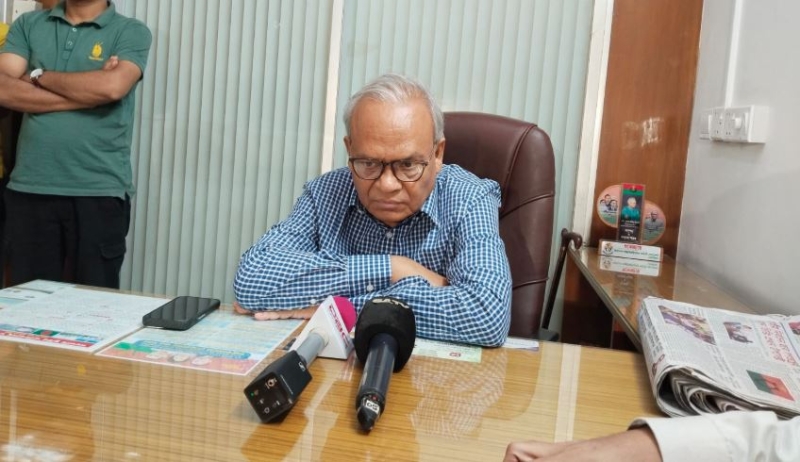
BNP Senior Joint Secretary General Ruhul Kabir Rizvi today said there is no possibility of re-emerging of the ‘bloodthirsty and democracy-destroying fascism’ of Sheikh Hasina in the country.
He said, “There is no possibility of revival of the 'Bangladeshi model of fascism' that Sheikh Hasina established in the country...Sheikh Hasina wanted to remain in power for long by destroying democracy. Her goal was to remain in power permanently by killing people.”
Rizvi made the remarks while talking to journalists at the party's central office in Naya Paltan in the capital.
He added, “The people of the country are religious minded and democracy loving and they want to speak without any fear, so it not possible to bring them to the new trend of fascism.”
Referring to alleged telephonic conversations of Sheikh Hasina, he said, "The telephone conversations of the former Prime Minister were terrifying. She directly ordered to shoot; those horrific conversations are now being presented as evidence in the International Crimes Tribunal. Anyone who hears those will be horrified.”
In this context, he alleged that those of us who agitated against the then government and talked about the politics of democracy faced death threats.
“We with our own eyes have seen Sheikh Hasina's barbaric acts, remand, prison and inhuman torture. But the evidences, which are being presented in the court, highlight an even more terrifying picture."
Mentioning that various past experiences and struggles in Bangladesh's democratic history remains as important lessons for the present and the future, Rizvi urged all for using those lessons to lead the country on a peaceful, stable and democratic manner, reports BSS.