

- Bangladesh stocks end week higher on upbeat mood |
- BDR name will be restored, army won't be used for politics: Tarique |
- Hili land port highway upgrade delayed again, cost Tk 588cr up |
- Tarique vows quick execution of Teesta Master Plan if elected |
- How Undecided voters May Decide the Election |
Political parties must ensure women’s safety: Zaima
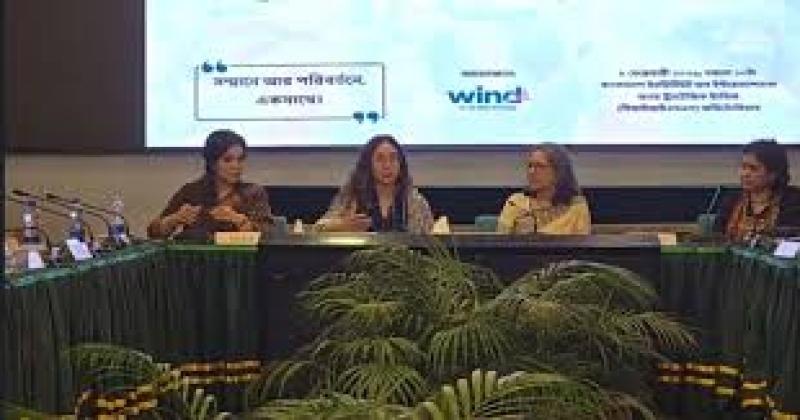
Barrister Zaima Rahman, daughter of BNP Chairman Tarique Rahman, on Sunday said political parties must take greater responsibility for ensuring women’s security—both online and offline—as well as within their own organisations.
“I think political parties should take more responsibility for women’s security in terms of cyberbullying and physical safety,” she said while addressing a seminar in the capital.
The seminar titled “Women’s Struggle for Democracy: Contributions and the Bangladesh of Tomorrow”, was held at the Bangladesh Institute of Strategic Studies (BISS) conference hall.
Zaima said alongside state laws, political parties should introduce their own codes of conduct to protect women within party structures from harassment and other forms of abuse.
“Political parties should have internal codes of conduct so that they can protect women within the party and stand by them if any untoward incident occurs,” she said.
Calling for greater participation of women in policymaking, Zaima stressed the need to build and sustain a leadership pipeline from student politics to local government.
“If we fail to create and maintain this pipeline, opportunities will not be available and capable women leaders will not come forward,” she said, highlighting the importance of continuity in leadership development.
Zaima noted that while men often receive various opportunities in politics, women do not enjoy the same level of access.
She also emphasised the role of mentorship and training by political parties in nurturing young women leaders.
“Political parties also must take responsibility for mentoring and training young women so that new leadership can emerge,” she said.
Highlighting the economic barriers faced by women in politics, Zaima said financial constraints remain a major challenge.
She urged political parties to provide financial support to reduce gender disparity in politics and promote women’s leadership.
“Financing is a major factor in politics. More support and facilities are needed to reduce inequality. If women leaders receive such support, women’s participation in politics will increase,” Zaima said.
Urging the effective use of young people’s talents, Tarique’s daughter said the country needs a change in mindset of people to build a different and inclusive Bangladesh, reports UNB.