

- Measles Outbreak Claims 17 Lives in Single Day |
- Trump says US holding ‘very positive discussions’ with Iran over war |
- Dhaka ranks 4th among the world’s most polluted cities Monday |
- Cabinet approves tax relief for brand new electric vehicle imports |
- Energy prices surge to highest in 4 years as conflict spreads |
Barapukuria power plant shuts down again after boiler tube explosion
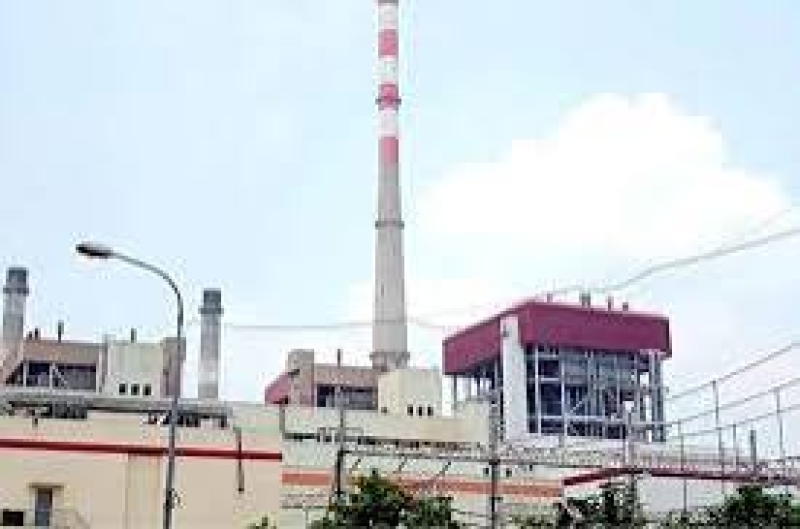
Power generation at the Barapukuria Thermal Power Plant in Dinajpur has come to a complete halt again following a boiler tube explosion in Unit-1, officials said.
Though the power generation was suspended on Saturday night, the matter was disclosed on Monday.
Chief Engineer Abu Bakkar Siddique said a boiler tube in Unit-1 burst on Saturday night, forcing the suspension of electricity generation.
Frequent mechanical faults have disrupted operations at the coal-fired plant, which has a total installed capacity of 525 megawatts.
Of the plant’s three units, only the 125MW Unit-1 had been in operation. The 125MW Unit-2 remained shut for the past five years, while the 275MW Unit-3 is currently out of service due to ongoing overhaul and maintenance work.
It may take around five days to resume production at the Unit-1 after necessary repairs, , as the overheated boiler water needs to be cooled and the damaged tube replaced, he said.
Earlier, on April 25, another tube in the same unit exploded, halting power generation for six days. The unit resumed operation around 10:00pm on Friday after repairs, supplying 55-60MW of electricity to the national grid.
However, within 24 hours, another tube burst, leading to a fresh shutdown.
Each unit contains numerous tubes that carry steam generated in the boiler to the turbine, officials said.
The power plant was commissioned in 2006 to utilise coal extracted from the nearby Barapukuria coal mine and to support irrigation in eight agriculturally-prone northern districts.
Initially, electricity generation began with two 125MW units. A third unit with a capacity of 275MW was added in 2017 to meet growing power demand, reports UNB.
However, due to recurring faults and other issues, the plant has never been able to operate at its full capacity, officials added.